America Almost Said No: The Embarrassing True Story Behind the Statue of Liberty's Arrival
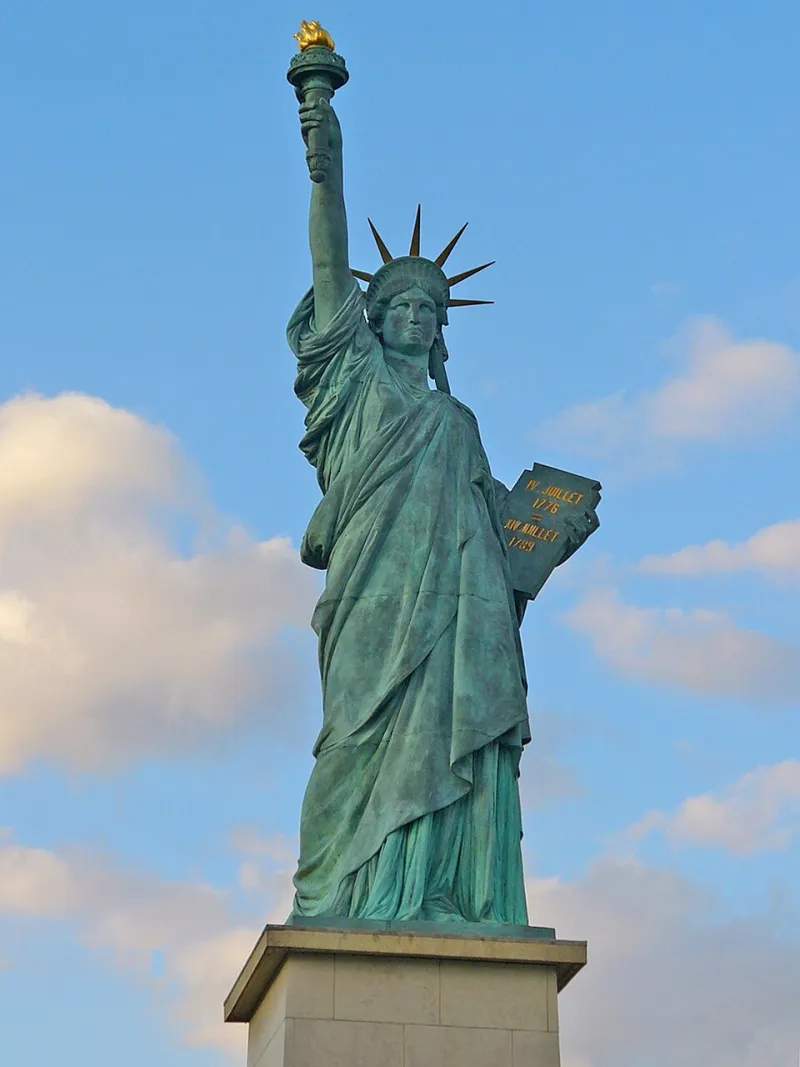
Photo: H. Zell, CC BY-SA 3.0, via Wikimedia Commons
If you had to guess which iconic American landmark nearly got rejected by the United States, the Statue of Liberty would probably not be your first answer. It is, after all, the symbol of American welcome — the image on postcards, the backdrop for citizenship ceremonies, the thing everyone pictures when someone says the words New York Harbor.
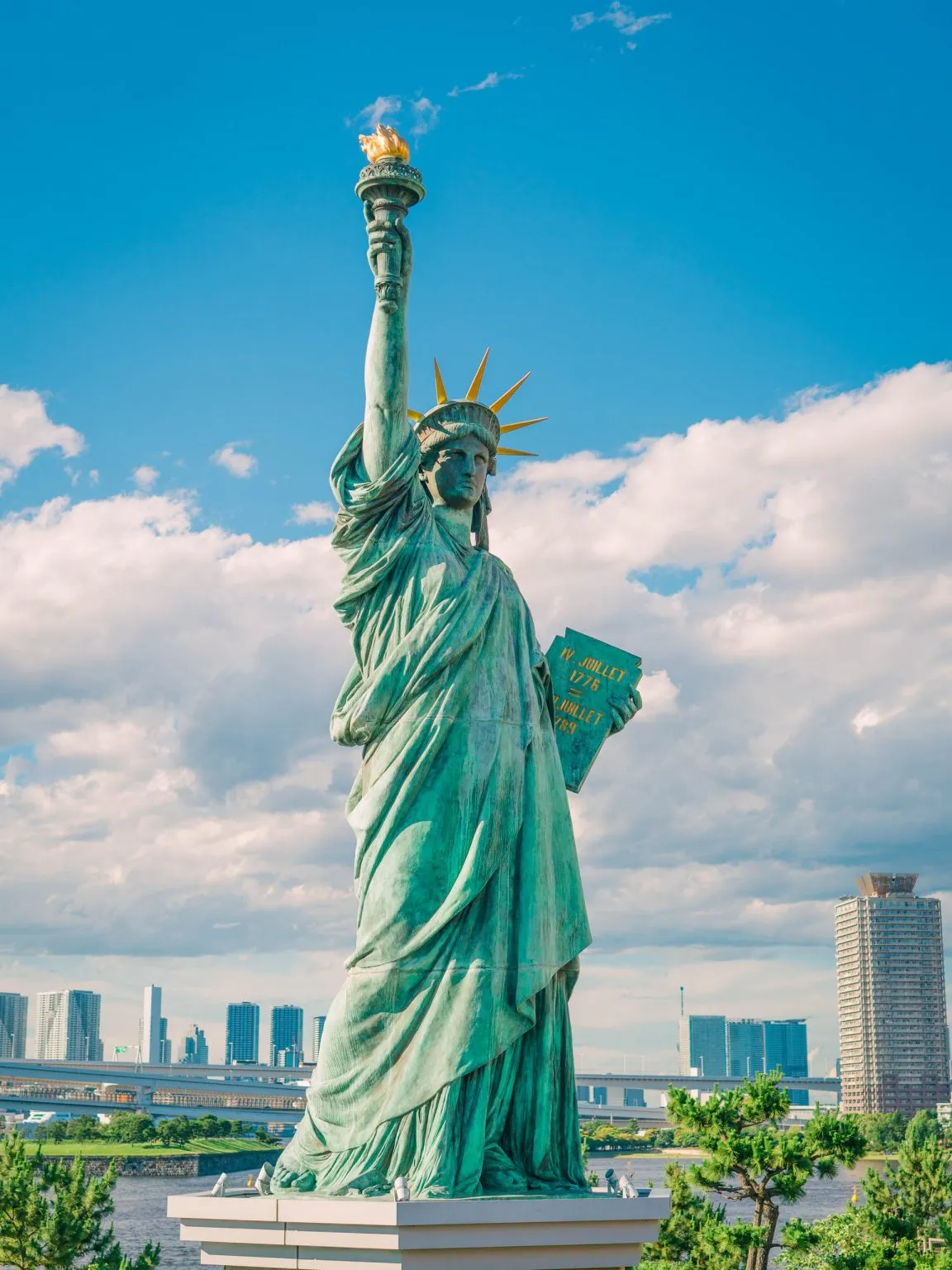 Photo: Statue of Liberty, via www.statueoflibertytour.com
And yet, in the spring of 1885, those 214 wooden crates sat in a warehouse while America argued about whether it could be bothered to build a base.
The Gift Nobody Asked For (Politely)
The idea for the statue originated with French political thinker Édouard de Laboulaye around 1865, in the aftermath of the American Civil War. Laboulaye admired American democracy and envisioned a monument to the shared values of France and the United States — a gift from one republic to another.
Sculptor Frédéric Auguste Bartholdi took the concept and ran with it, eventually designing the figure of Libertas, the Roman goddess of freedom, holding a torch aloft. The arrangement was that France would fund and build the statue itself; America would fund and build the pedestal it stood on.
This seemed reasonable at the time. It would prove considerably less reasonable in practice.
France spent years raising money through public campaigns, lotteries, and events, eventually completing the statue in Paris by 1884. Meanwhile, the American side of the equation was going less smoothly. The American Committee for the Statue of Liberty had been trying to raise the roughly $250,000 needed for the pedestal since 1882, and by 1885 they had collected about $182,000. The gap was not enormous in the abstract. In practice, it meant construction had stalled.
A Press That Was Not Impressed
American newspapers, sensing a story in the awkwardness, were not particularly kind about the situation. The statue was widely characterized as a French imposition — an enormous copper woman that nobody had requested, requiring Americans to spend significant money on her foundation before she could even be assembled.
The New York Times, not yet in the business of cheerleading for French gifts, questioned whether the money could be better spent. Other papers were more pointed. The general tone was: Why exactly are we doing this?
Wealthy Americans who might have been expected to fund the pedestal largely declined. The project had the unfortunate quality of feeling like someone else's responsibility. Congress was asked to appropriate funds and declined. Several cities — including Boston, Philadelphia, and San Francisco — floated the idea that perhaps the statue could come to them instead, if New York couldn't manage its end of the deal.
This was the situation when the 214 crates arrived in June 1885. The statue was here. The pedestal was not.
Enter the Newspaper Man
Joseph Pulitzer, the Hungarian-born publisher of the New York World, saw the situation for what it was: a story, a cause, and an opportunity.
In March 1885, before the crates even arrived, Pulitzer launched a fundraising campaign in the pages of the World. The pitch was direct and deliberately pointed. This was not, he argued, a project for millionaires. It was a project for ordinary Americans. And if ordinary Americans didn't step up, they would be handing European observers the embarrassing spectacle of a democratic republic too cheap or too indifferent to accept a gift from an ally.
Pulitzer named donors in the paper. Every contribution, no matter how small, got published. A child who sent in a nickel saw her name in print. A factory worker who scraped together a dollar was acknowledged alongside businessmen who gave hundreds.
The psychological mechanism was elegant and slightly ruthless. Nobody wanted to be the person who didn't give. Nobody wanted to be left out of the list. And nobody — Pulitzer made sure of this — wanted to be responsible for France taking its statue back.
A Nation Gets Guilted Into Generosity
The campaign ran for five months. More than 120,000 people contributed. The total raised was over $100,000 — enough, combined with what had already been collected, to complete the pedestal.
The donors skewed heavily ordinary: immigrants, schoolchildren, factory workers, small business owners. Many of the contributions were under a dollar. Some were pennies. The World published them all.
Pedestal construction resumed. The statue's components were uncrated and assembled on Bedloe's Island (later renamed Liberty Island). On October 28, 1886, President Grover Cleveland presided over the dedication ceremony before a crowd estimated at a million people.
Bartholdi, who had spent two decades shepherding his creation from concept to copper, was there to see it unveiled. Pulitzer was there too, having turned an embarrassing national hesitation into one of the more effective public fundraising campaigns of the nineteenth century.
The Irony in the Harbor
The statue that now stands as the universal shorthand for American openness and welcome almost didn't get a place to stand at all. The country that would eventually put her image on its coins and its currency spent a solid three years being publicly reluctant about the whole project.
What finally worked was not patriotism, exactly, and not gratitude toward France, exactly. What worked was a newspaper publisher making sure everyone knew who had given and who hadn't — and making the cost of not giving feel higher than the cost of writing the check.
The Statue of Liberty is, among other things, a monument to the power of public embarrassment.
She has been standing in the harbor ever since, torch raised, expression serene, giving no indication whatsoever that her arrival was this complicated.