You Are Hereby Cited for Snowfall: The Minnesota Town That Made Winter a Misdemeanor
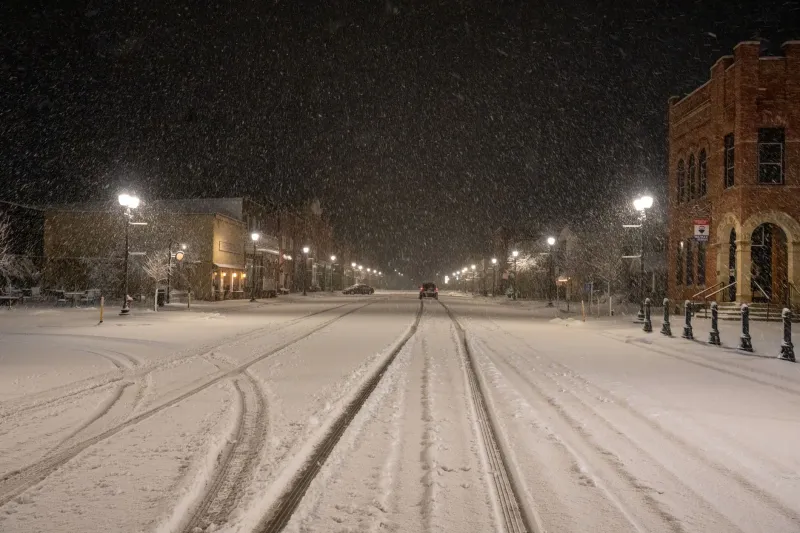
Minnesota winters are not suggestions. They are declarations. Temperatures that make your eyelashes freeze. Snowfall measured in feet, not inches. Wind that carries genuine personal grudges. Anyone who has spent a January in the Upper Midwest understands, on a cellular level, that nature is not negotiating.
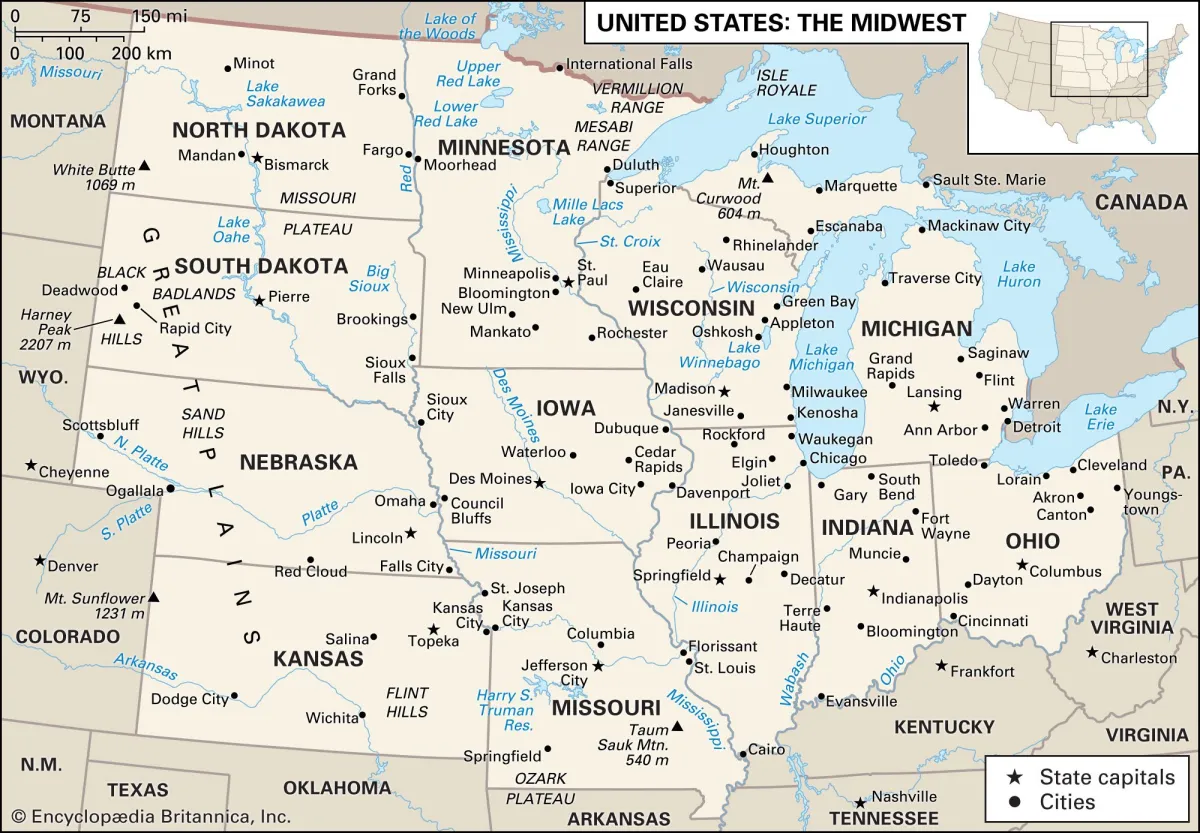 Photo: Upper Midwest, via cdn.britannica.com
And yet, somewhere in the late 19th century, at least one Minnesota municipality looked out at a fresh foot of snow, consulted its civic conscience, and decided: this will not stand.
Literally.
The Ordinance That Picked a Fight with the Sky
The logic, on paper, was almost reasonable. Frontier-era American towns were desperate to project stability and civic order — not just for the sake of their own residents, but to attract settlers, investors, and commercial traffic. A town that looked chaotic was a town that didn't grow. And nothing said chaotic quite like impassable sidewalks clogged with snow while neighboring cities kept their walkways clear.
So local governments passed sidewalk-clearance ordinances. That part wasn't unusual. What made certain Minnesota municipalities stand out was the specificity — and the enforcement. In some towns, residents were given as little as a few hours after snowfall ceased to have their adjacent sidewalks cleared. Miss the window, and you weren't just a bad neighbor. You were a lawbreaker.
Citations were issued. Fines were levied. In at least some recorded cases, local constables and city officials knocked on doors, clipboard in hand, to inform residents that the weather had gotten them into legal trouble.
Enforcing the Unenforceable
What made this genuinely strange — beyond the obvious absurdity of treating a blizzard like a noise complaint — was how seriously the enforcement apparatus took itself.
Local court records from several Minnesota towns in the 1880s and 1890s show that sidewalk-clearance violations were processed with the same bureaucratic seriousness as other civic infractions. Fines ranged from small amounts to more substantial penalties for repeat offenders. Some residents contested their citations, arguing they had been physically unable to clear snow due to illness, absence, or the sheer volume of what had fallen. Courts generally showed limited sympathy.
There were also neighbor disputes that fed directly into the enforcement system. If your sidewalk was clear and your neighbor's wasn't, you had legal standing — and some residents used it enthusiastically. Town council minutes from the period occasionally reference complaints filed against specific properties, suggesting that snow-clearance enforcement became, in certain neighborhoods, a vehicle for settling older grievances.
This is perhaps the most human detail in the whole strange episode: people weaponizing weather law against each other.
The Optimism of Ordering Around Nature
To understand why any of this made sense to the people living it, you have to understand the particular psychology of late 19th-century American frontier settlement.
These weren't established cities with centuries of institutional weight behind them. They were communities that had been farmland or wilderness a generation earlier, now trying to will themselves into permanence through sheer civic ambition. Passing an ordinance — any ordinance — was an act of assertion. It said: we are a real place with real rules, and even the elements will be expected to comply.
There's something almost poignant about it. The town couldn't stop the snow. Nobody could. But they could insist, loudly and officially, that snow's aftermath would be managed — that the landscape would bend to the community's standards rather than the other way around. The ordinance wasn't really about sidewalks. It was about identity.
Frontier towns that projected order attracted the kind of settlers who built lasting communities. Towns that looked like they'd given up — to weather, to mud, to entropy — tended to disappear from the map within a generation. Enforcing a snow ordinance, however quixotic, was a form of civic marketing.
What Actually Happened When Winter Didn't Cooperate
Of course, Minnesota winters don't negotiate, regardless of what the municipal code says. There are documented cases of towns issuing citations after storms so severe that clearing the sidewalks would have been physically impossible for many residents. Elderly citizens, households without able-bodied adults, and people simply caught off guard by an overnight storm all found themselves technically in violation of laws they had no realistic way to comply with.
Some towns quietly suspended enforcement during the worst storms. Others didn't. The result was a patchwork of selective enforcement that probably said more about which residents had political connections than about any coherent theory of civic responsibility.
By the early 20th century, most of these ordinances had been revised to include more reasonable timeframes and hardship exemptions. The fundamental requirement — that residents clear adjacent sidewalks — remained standard across Minnesota municipalities and still does today. But the zero-tolerance, rapid-response enforcement of the frontier era gradually softened into something more practical.
The Legacy of the World's Most Stubborn Civic Code
What's remarkable, looking back, isn't that these ordinances existed. It's that they were enforced at all — that actual government officials, in actual courtrooms, processed actual fines against actual residents for the crime of not being faster than a blizzard.
It reveals something genuine about how early American communities understood themselves: as projects of human will imposed on an indifferent landscape. The snow was going to fall. That was not in dispute. But the snow was not going to win.
Minnesota still has some of the strictest sidewalk-clearance requirements in the country. The ordinances have evolved, the enforcement has become more measured, and the fines are considerably better defined. But the underlying premise — that winter is a civic responsibility, not just a meteorological fact — traces a direct line back to those first frontier town councils who decided, with magnificent stubbornness, that you could legislate the weather into submission.
They were wrong, of course. But they weren't entirely wrong about what the attempt said about them.