Dead Man Wins: The 19th-Century Lawsuit That Made Railroads Legally Responsible for Killing People
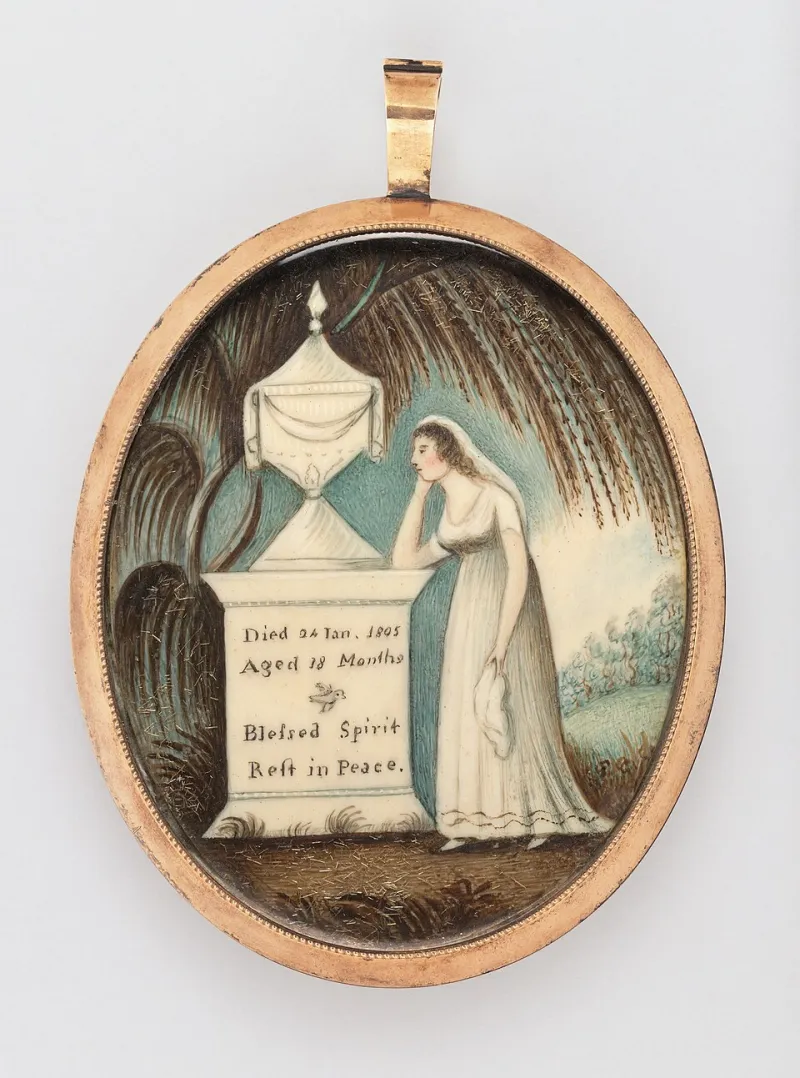
Photo: American 19th Century, CC0, via Wikimedia Commons
The railroad lawyers had a point, technically speaking. Under the legal tradition inherited from English common law, a personal injury claim died with the injured person. If you were hurt and filed a lawsuit, then died before the case concluded, the lawsuit evaporated. The legal theory was ancient and, in its original context, almost logical: the purpose of compensation was to make you whole. If you were gone, there was no you to make whole.
For centuries, this was simply how the law worked. Then the railroads arrived, and the math got ugly.
The Problem with Dying Before You Could Sue
Railroads killed people at an extraordinary rate in 19th-century America. Boiler explosions, derailments, grade crossing collisions, and construction accidents produced a steady and grim ledger of fatalities. Under the inherited common law rule, this created a perverse incentive structure: it was cheaper to kill someone than to injure them.
A seriously injured person could sue for medical costs, lost wages, and pain and suffering. A dead person — under the old rule — left behind a family with no legal claim at all. Railroads and their legal teams understood this arithmetic perfectly well. Defense attorneys in early injury cases sometimes noted, without apparent shame, that the company's liability would have been eliminated entirely had the plaintiff not been so inconsiderate as to survive.
This was the legal landscape when a series of wrongful death cases began working their way through American courts in the middle decades of the 1800s.
The Courtroom Argument Nobody Expected to Work
The cases that began to change this framework shared a common structure: a man (almost always a man, in this era) was killed in a railroad accident. His family — a wife, children, sometimes dependent parents — was left without his income and without legal recourse. An attorney, often working on contingency because the family had no money, filed suit on behalf of the estate rather than the deceased individual.
Railroad defense teams responded with the time-tested argument: you cannot sue on behalf of a dead man. The cause of action died with him. The estate had no standing. The court should dismiss.
What followed, in courtroom after courtroom across multiple states, was a slow-motion legal argument about what the law was actually for. Plaintiffs' attorneys argued that the common law rule made sense when it was established — in a world of swords and horses, where individual grievances were personal — but that it had become a moral catastrophe in the industrial age. Railroads were killing dozens of workers and passengers every month. If death extinguished liability, corporations had a financial reason to prefer fatal outcomes over survivable ones.
Some judges found this logic compelling. Others didn't. The result was a patchwork of conflicting rulings that left families in different states with wildly different legal rights depending on which side of a state line their loved one had died on.
The Legislation That Changed Everything (And the Cases That Forced It)
The legal breakthrough didn't come purely from the courts. It came from a combination of judicial pressure and legislative action, driven by exactly the kind of outrageous case outcomes that made newspaper readers furious.
England had already moved first, passing Lord Campbell's Act in 1846, which created a statutory right for families to sue for wrongful death. American states began following suit — literally — passing their own wrongful death statutes in the decades that followed. But the statutes didn't enforce themselves. It took actual cases, with actual families, and actual courtroom battles against railroad legal teams arguing that the statutes were being misapplied, to establish how the new law would work in practice.
 Photo: Lord Campbell's Act, via 58v76y8z87lo.hellomagazine.com
The cases that became precedent-setting often featured the same dynamic: a railroad's attorneys arguing, with considerable technical sophistication, that some procedural or definitional technicality meant the family still couldn't collect. And juries, increasingly, deciding that they'd heard enough technical sophistication and awarding damages anyway.
When those jury verdicts were appealed and upheld, they became the foundation of wrongful death law as Americans know it today.
What the Railroad Lawyers Got Wrong
The defense argument — that you couldn't legally represent a dead man — was not actually frivolous. It reflected a genuine tension in the law between inherited doctrine and new industrial reality. What the railroad attorneys failed to anticipate was how thoroughly courts and legislatures would reframe the question.
The winning argument wasn't that you could represent the dead man. It was that you didn't need to. The wrongful death claim belonged to the survivors — the wife, the children, the dependents — who had suffered a real, measurable, economic loss when the railroad killed their provider. The dead man's estate was the vehicle; the actual injured parties were the living people left behind.
This reframing was elegant and, once articulated, almost obvious. Of course the widow had a claim. Of course the children had a claim. The question was never really about the dead man's legal standing. It was about whether the law would acknowledge that killing someone caused harm to people who were still very much alive.
The Ruling That Followed You Home
The wrongful death framework established through these 19th-century battles is now so thoroughly embedded in American law that most people have no idea it was ever contested. Every medical malpractice case brought by a surviving family. Every wrongful death suit filed after a car accident. Every product liability claim filed on behalf of someone who didn't survive to file it themselves. All of it traces back to the legal arguments made by attorneys standing in front of skeptical judges, representing clients who couldn't speak for themselves.
The railroads, for their part, eventually accepted the new legal reality and incorporated wrongful death liability into their actuarial calculations. The perverse incentive — prefer fatalities to injuries — was eliminated. Not because the railroads had a change of heart, but because a dead man's estate kept winning in court until the math changed.
Somewhere in that outcome is a genuinely strange piece of American legal history: the moment when being dead stopped being a defense.