His Fraudulency: The President Who Won an Election and Spent Four Years Apologizing for It
Imagine winning the presidency and immediately regretting it so much that you spend four years publicly questioning whether you deserved the job. That's exactly what happened to Rutherford B. Hayes, whose victory in the 1876 election was so tainted by backroom deals and questionable vote counts that he earned the nickname "His Fraudulency"—and seemed to agree with the assessment.
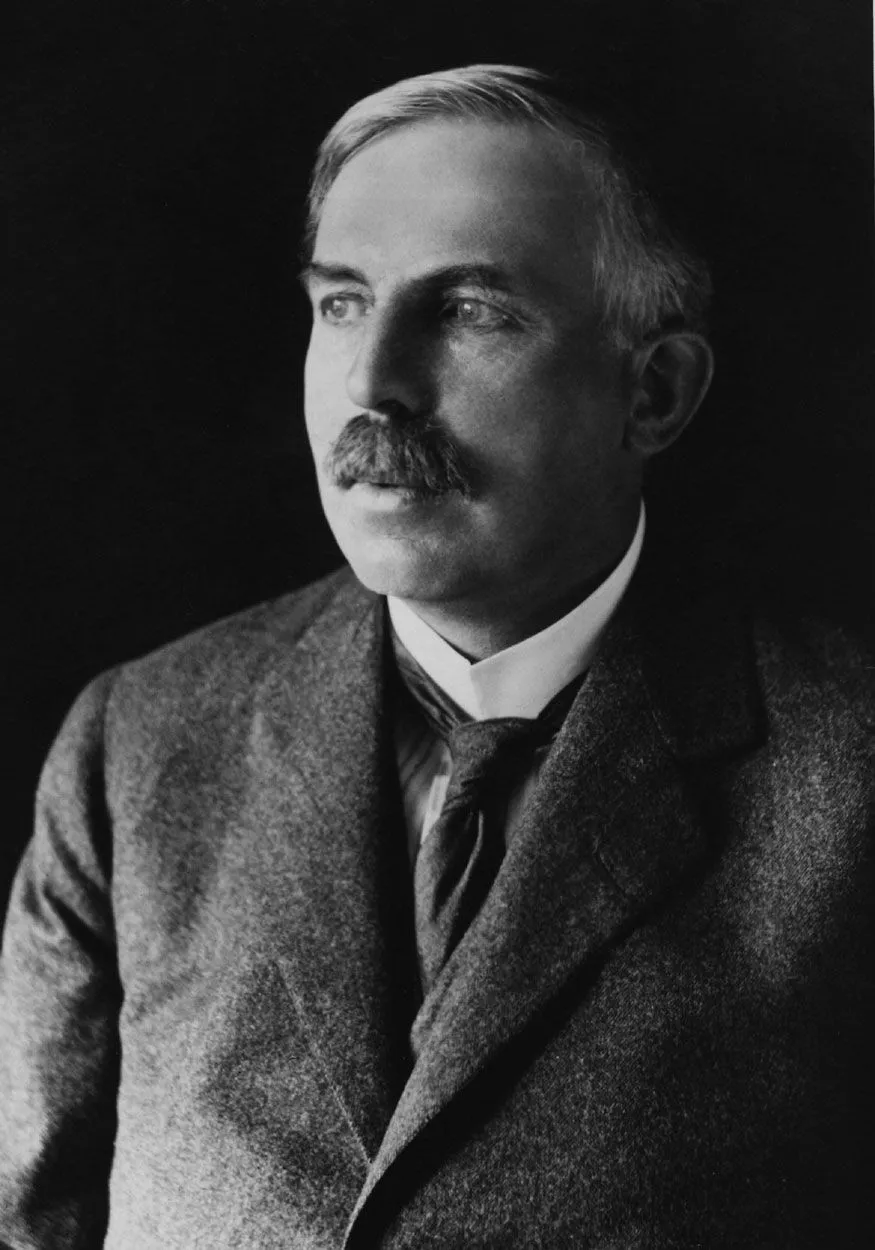 Photo: Rutherford B. Hayes, via cdn.britannica.com
The Election That Broke Democracy
The 1876 presidential race between Republican Rutherford Hayes and Democrat Samuel Tilden should have been straightforward. Tilden won the popular vote by over 250,000 ballots and appeared to have secured 184 electoral votes—just one short of the 185 needed for victory. Hayes trailed with 165 confirmed electoral votes.
 Photo: Samuel Tilden, via journalnews.com.ph
But twenty electoral votes from Florida, Louisiana, and South Carolina remained in dispute, along with one contested elector from Oregon. Both parties claimed victory in these states, submitting competing sets of electoral votes to Congress. With no clear constitutional mechanism for resolving the crisis, America faced its worst political deadlock since the Civil War.
The Deal That Decided Everything
As inauguration day approached with no resolution in sight, Republican and Democratic leaders met in secret to hammer out a compromise. The result was the most cynical political bargain in American history: Republicans would get the presidency, but Democrats would get the end of Reconstruction.
The deal was formalized through an extra-constitutional Electoral Commission that voted strictly along party lines to award all disputed electoral votes to Hayes. In exchange, Hayes agreed to withdraw federal troops from the South, effectively ending protection for Black voting rights and ushering in the Jim Crow era.
It was a trade that sacrificed the civil rights of millions for political expedience—and everyone involved knew it.
The Reluctant Victor
From the moment Hayes took the oath of office, he seemed haunted by how he got there. Unlike most politicians who rationalize their victories, Hayes openly acknowledged the questionable circumstances of his election. He privately confessed to friends that he wasn't sure he had legitimately won, and his public statements often seemed designed to minimize rather than celebrate his presidency.
Hayes's inaugural address was a masterpiece of political self-flagellation. Instead of the typical triumphant rhetoric, he spent most of his speech promising to serve only one term and emphasizing his commitment to healing the nation's wounds—wounds that his own election had largely created.
When Your Own Party Disowns You
The Republican establishment that had engineered Hayes's victory quickly discovered they had created a monster. Hayes took his promises seriously, withdrawing troops from the South and refusing to use federal patronage to build political loyalty. He appointed Democrats to his cabinet and pursued civil service reform that threatened the spoils system his own party depended on.
Republican leaders were apoplectic. They had stolen an election only to install a president who acted like a Democrat. Party newspapers that had defended Hayes's legitimacy now openly criticized his policies. Some Republicans privately admitted they wished Tilden had won instead.
The situation became so absurd that Hayes's own supporters began undermining him. Republican senators blocked his appointments, refused to pass his legislation, and treated him like a temporary placeholder rather than their party's leader.
The President Nobody Wanted
Democrats, naturally, never accepted Hayes as legitimate. They referred to him as "the Pretender" and "Rutherfraud B. Hayes." Democratic newspapers ran daily reminders that Tilden had won the popular vote, and Democratic politicians made "fraud" their rallying cry for the next four years.
But the real tragedy was that Hayes seemed to agree with his critics. He made no effort to defend his election, offered no counter-narrative to the fraud allegations, and generally acted like a man serving a sentence rather than leading a nation.
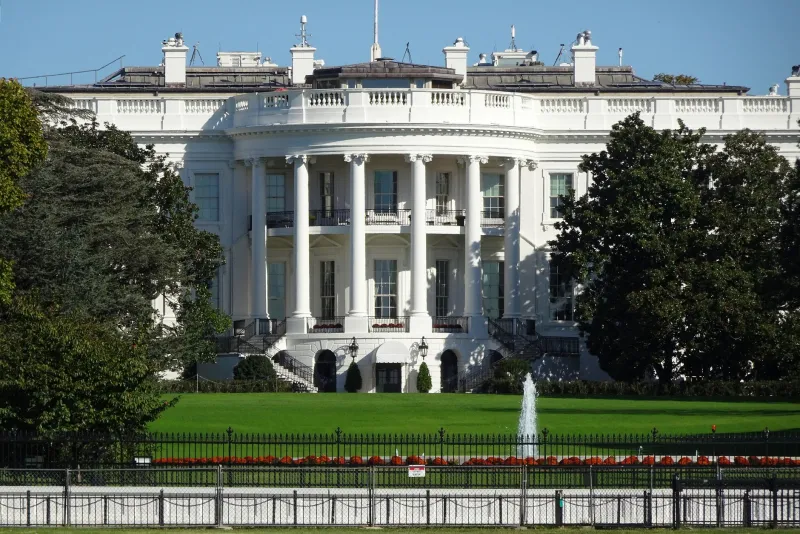
Even Hayes's wife, Lucy, privately expressed doubts about her husband's legitimacy. She reportedly told friends that she felt like they were "occupying" the White House rather than rightfully residing there.
 Photo: White House, via wallpapers.com
The Self-Sabotaging Presidency
Hayes's acknowledgment of his questionable mandate became a self-fulfilling prophecy. By refusing to act like a legitimate president, he ensured that nobody treated him like one. His legislative agenda stalled, his appointments were blocked, and his party abandoned him well before his term ended.
The irony was that Hayes was probably more qualified for the presidency than most of his predecessors. He was an honest, capable administrator with genuine reform instincts. But his inability to move past the circumstances of his election turned what could have been an effective presidency into four years of political purgatory.
When Winning Means Losing
Hayes kept his promise to serve only one term, making him the only president to voluntarily limit himself to a single term after winning election. When he left office in 1881, both parties celebrated his departure. Republicans were eager to nominate someone who could actually lead their party, while Democrats looked forward to never again having to acknowledge Hayes's legitimacy.
The former president spent his remaining years engaged in humanitarian work and educational reform, seemingly relieved to be free of political office. He rarely discussed his presidency and never attempted to defend his legacy—unusual behavior for any politician, let alone a former president.
The Lesson in Legitimacy
Hayes's tortured presidency illustrates a fundamental truth about democratic governance: winning isn't everything if nobody believes you deserved to win. Political power without legitimacy is like a house built on sand—it might stand for a while, but it can never be truly stable.
The 1876 election crisis was eventually resolved through constitutional amendment and electoral reform, but the damage to Hayes was permanent. He had won the highest office in the land only to discover that some victories aren't worth celebrating.
In the end, Rutherford B. Hayes proved that in democracy, how you win matters almost as much as whether you win at all. His presidency serves as a cautionary tale about the price of political cynicism and the importance of electoral legitimacy—lessons that remain painfully relevant today.