Nobody Voted for Him: The Accidental President Who Inherited the Most Powerful Job on Earth
There's a thought experiment political science professors love to pose to first-year students: Can a person become president of the United States without anyone ever voting for them? The answer, as it turns out, is yes — and it happened within living memory, in broad daylight, in front of the entire country.
Gerald Ford didn't sneak into the presidency. He didn't seize it. He didn't even particularly want it. He just happened to be standing in the right place at the exact moment American democracy produced one of its strangest constitutional traffic jams — and when the dust cleared, a man the public had never chosen as president was suddenly running the free world.
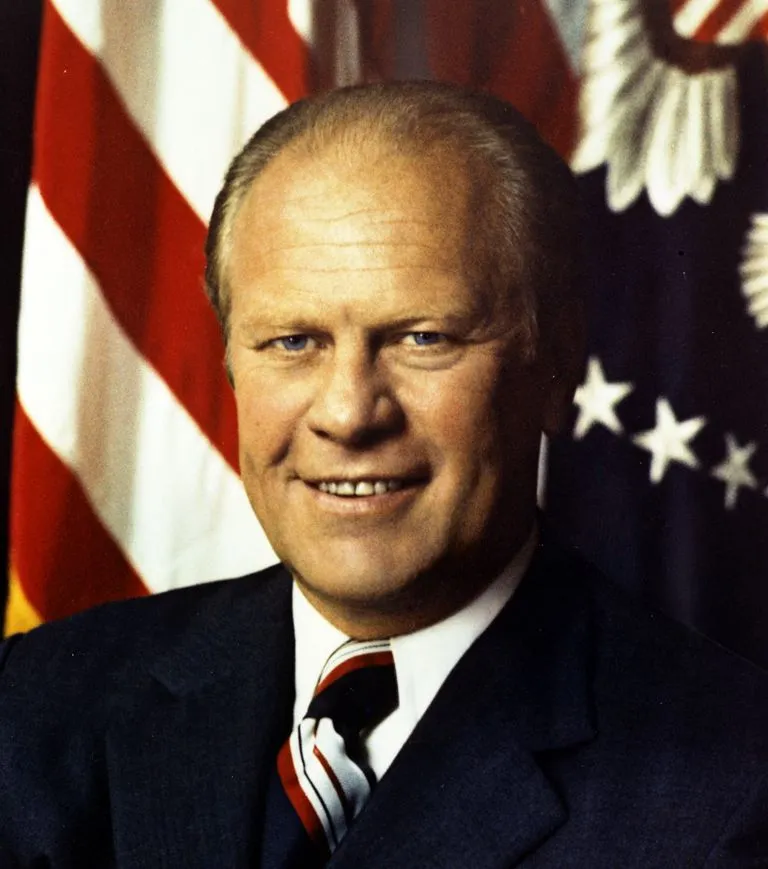 Photo: Gerald Ford, via www.thoughtco.com
The Setup: A Country Coming Apart at the Seams
To understand how Ford got there, you have to understand just how spectacularly the early 1970s fell apart for the American government.
It started with Spiro Agnew — Richard Nixon's vice president and a man who managed to become the subject of a federal bribery and tax evasion investigation while still holding office. In October 1973, facing almost certain conviction, Agnew did something no sitting vice president had ever done before: he resigned. Not gracefully. Not heroically. He pleaded no contest to a single count of tax evasion and walked out the door.
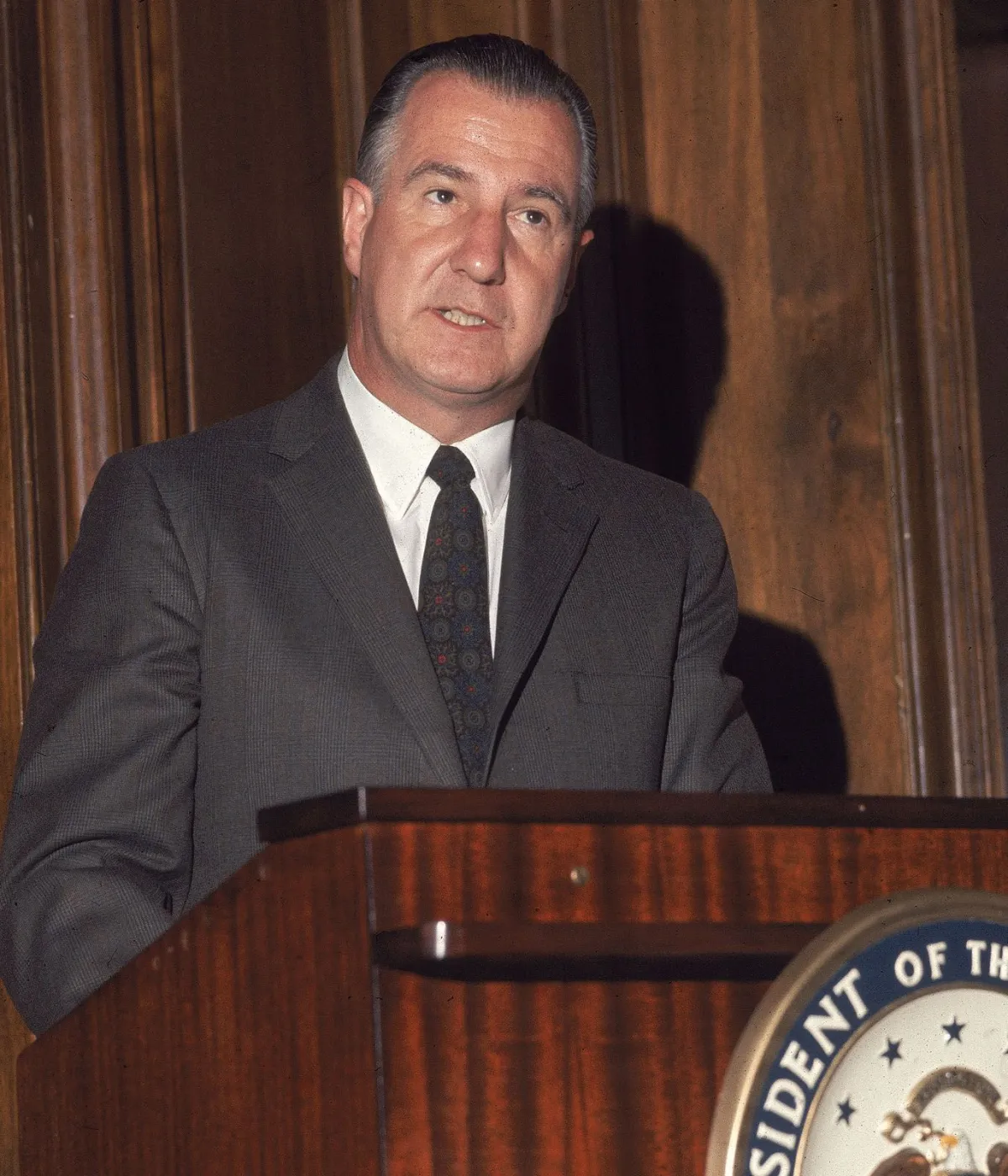 Photo: Spiro Agnew, via cdn.britannica.com
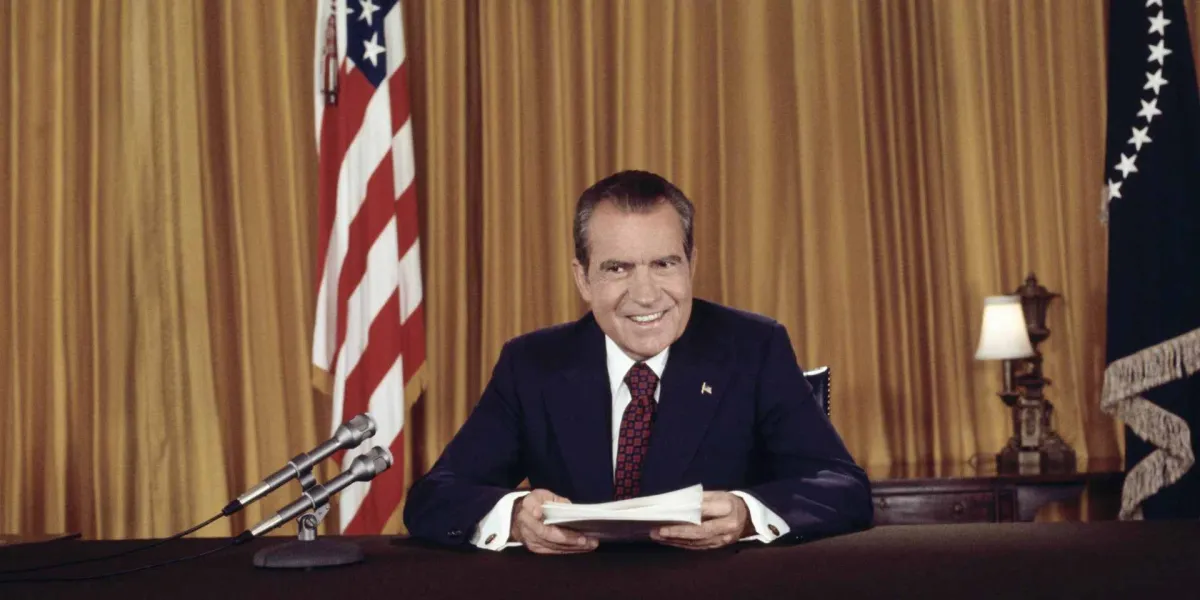 Photo: Richard Nixon, via res.cloudinary.com
That left Nixon with a vacancy — and a problem. Under the original Constitution, there was no mechanism for replacing a vice president mid-term. The office would simply stay empty until the next election. But Congress had ratified the 25th Amendment in 1967, which created a new process: the president could nominate a replacement, subject to confirmation by both houses of Congress.
Nixon chose Gerald Ford, the longtime Republican congressman from Michigan. Ford was well-liked, considered honest, and — crucially — was someone Congress could actually confirm. He wasn't exactly a nationally electrifying figure. He was, more than anything, a safe choice. Congress confirmed him in December 1973, and Ford became vice president without a single American voter casting a ballot for him in that role.
Nobody fully appreciated yet just how important that confirmation was about to become.
Nine Months Later, the Floor Fell Out
The Watergate scandal had been grinding through Washington for over a year, and by the summer of 1974, it was clear Nixon wasn't going to survive it. The tape recordings, the cover-up, the Saturday Night Massacre — the evidence had piled up to a point of no return. On August 8, 1974, Nixon announced his resignation in a televised address. The following morning, he left the White House.
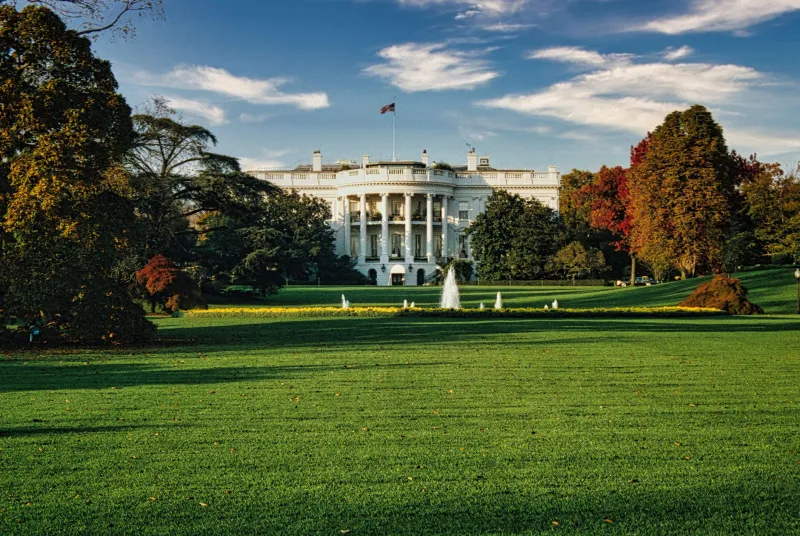
At noon on August 9, Gerald Ford stood in the East Room and was sworn in as the 38th President of the United States.
"I am acutely aware," Ford told the country in his brief remarks, "that you have not elected me as your president by your ballots."
He wasn't being modest. He was being factually precise. No American had ever voted for Gerald Ford for president. No American had ever voted for Gerald Ford for vice president. He had won his congressional seat in Michigan many times over, but that was a local race in Grand Rapids — not a national mandate. The presidency had simply fallen to him through a sequence of events so improbable that the Founding Fathers, brilliant as they were, had never quite written the rulebook for it.
A Constitutional Quirk Nobody Planned For
Here's the part that makes historians pause: the very mechanism that allowed Ford's ascension — the 25th Amendment's vice presidential replacement clause — had only existed for seven years when it was used. Before 1967, Agnew's resignation would have left the vice presidency vacant, Nixon would have had no replacement to appoint, and Ford would have remained in Congress. The constitutional machinery that produced an unelected president was itself barely a decade old.
The Founders had anticipated presidential succession, but their framework assumed the normal electoral process would keep things reasonably tethered to public will. What they hadn't gamed out was a scenario where both the president and vice president exited under a cloud of scandal within ten months of each other — and where a replacement mechanism installed for entirely different reasons would end up handing the nation's highest office to someone the public had never once evaluated for the job.
Ford's own famous line — "Our long national nightmare is over" — captured the relief of the moment. But the constitutional oddity of it all lingered.
The Pardon That Sealed His Fate
Ford's presidency lasted just over two years, and it was defined almost immediately by a decision that shocked even his own supporters. One month after taking office, he granted Richard Nixon a full and unconditional pardon for any crimes Nixon may have committed as president.
The public backlash was immediate and fierce. Ford's press secretary resigned in protest. His approval ratings cratered overnight. Many Americans suspected a backroom deal — that Ford had been installed precisely to protect Nixon. Ford denied it then and for the rest of his life, and no evidence of a deal ever surfaced. But the pardon became the defining shadow over an administration that had started with genuine goodwill.
When Ford ran for a full term in 1976 — his one real shot at earning the job through an election — he lost to Jimmy Carter.
The Strangest Footnote in American Democracy
What makes Ford's story genuinely remarkable, beyond the political drama, is what it reveals about the fragility of democratic systems. American democracy is built on the idea that the people choose their leaders. Ford's presidency is a living asterisk to that principle — a reminder that the machinery of government sometimes produces outcomes nobody designed and nobody voted for.
He was, by most accounts, a decent man in an impossible position. Historians have gradually warmed to his legacy, particularly his decision to pardon Nixon, which many now view as a painful but necessary act of national healing rather than corruption.
But the constitutional quirk remains. One man. Two offices. Zero elections. It happened once, and it could — theoretically — happen again.