The Town That Went Underwater on Purpose: How One Dam Erased a Community So Thoroughly Its Grandchildren Couldn't Prove It Existed
Most towns die slowly. A factory closes, young people leave, the diner shuts its doors, and eventually the place fades into a quieter and quieter version of itself until one day there's almost nothing left to fade. It's a gradual process, and gradual processes leave traces.
But some towns don't get the luxury of a slow decline. Some towns get a deadline.
In the mid-twentieth century, across the valleys of rural America, dozens of small communities received notices informing them that their homes, their churches, their cemeteries, and their main streets would soon be sitting beneath several feet of water. The federal government needed reservoirs. The math had been done. The date was set.
What happened in one particular valley, though, went further than simple displacement. It was an erasure so complete that the people who grew up hearing stories about the place — the grandchildren and great-grandchildren of those who'd been forced out — eventually found themselves unable to produce a single official document confirming the town had ever existed at all.
The Valley Before the Water
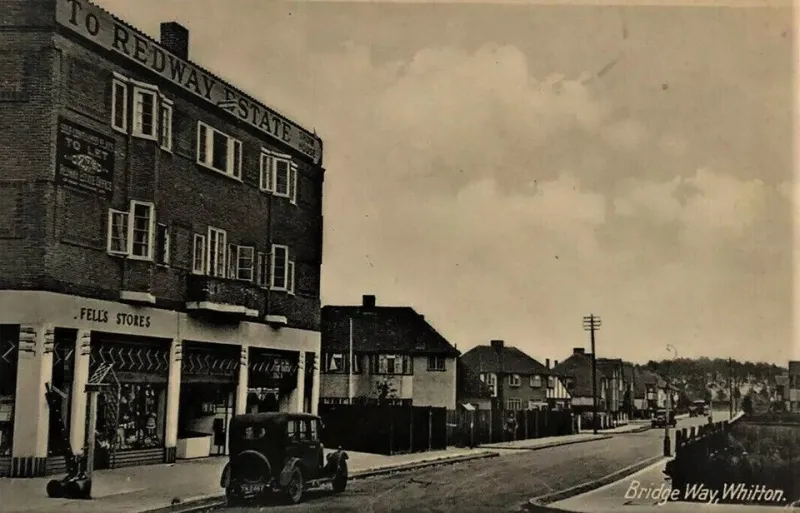
The community sat in a low river valley, the kind of geography that makes engineers reach for their notebooks. Flat land, reliable water source, natural basin. From a hydrological standpoint, it was an ideal reservoir site. From a human standpoint, it was home to several hundred families who had been farming, worshipping, marrying, and burying their dead there for generations.
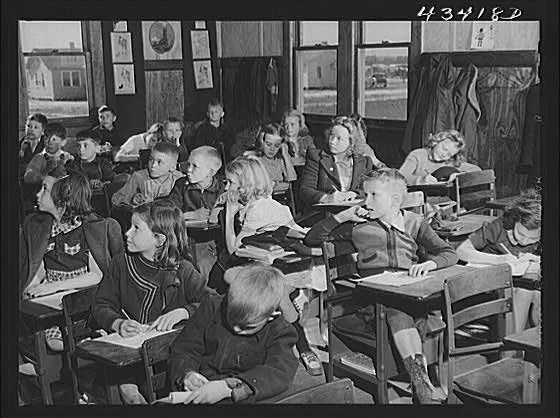
These were not wealthy communities. They didn't have lobbyists or lawyers on retainer. When the notices came — typically with relocation assistance that amounted to a fraction of what the land was actually worth to the project — most families took what was offered and left. A few fought. The fights rarely succeeded.
But the displacement itself, as wrenching as it was, isn't the strangest part of this story.
The Systematic Erasure
Before a valley could be flooded, it had to be cleared. That meant more than just moving people out. It meant demolishing every structure — homes, barns, schools, churches — so that debris wouldn't contaminate the future water supply. It meant excavating cemeteries and relocating remains to new burial sites, a process that was handled with varying degrees of care depending on the era and the agency involved.
And it meant, in many cases, a quiet administrative process in which the town ceased to exist on paper.
Post offices were closed and their records transferred or destroyed. County plat maps were redrawn to show the reservoir where the town had been. School district records were absorbed into neighboring districts. Church congregations dispersed to other parishes. The physical town vanished under water. The bureaucratic town vanished into filing cabinets that were themselves eventually lost, consolidated, or discarded.
By the time the reservoir was full and the dam was operational, the town existed primarily in the memories of the people who had lived there — and memories, unlike deeds and census records, don't hold up in official inquiries.
When the Grandchildren Came Looking
This is where the story becomes genuinely haunting.
Decades after the flooding, descendants of the displaced families began doing what Americans of that generation increasingly did: they went looking for their roots. They wanted birth certificates, land records, church registers, school enrollment documents. They wanted to prove, in the way that genealogical research requires proof, that their family had come from somewhere specific.
What they found — or rather, didn't find — stopped them cold.
The county courthouse had records from before the dam project and records from after. The town in between existed in a gap. Federal agencies had archived some project documentation, but the records were organized around the engineering, not the community. You could find detailed soil surveys of the valley floor. You could find construction timelines and cost overruns and correspondence between agency directors. What you often couldn't find was a straightforward document confirming that a particular family had lived at a particular address in a particular town.
Some researchers described the experience as trying to prove a dream. The stories were vivid and consistent across multiple family lines. The town was real. But the paper trail had been swallowed as surely as the valley itself.
The Archaeology of a Drowned Place
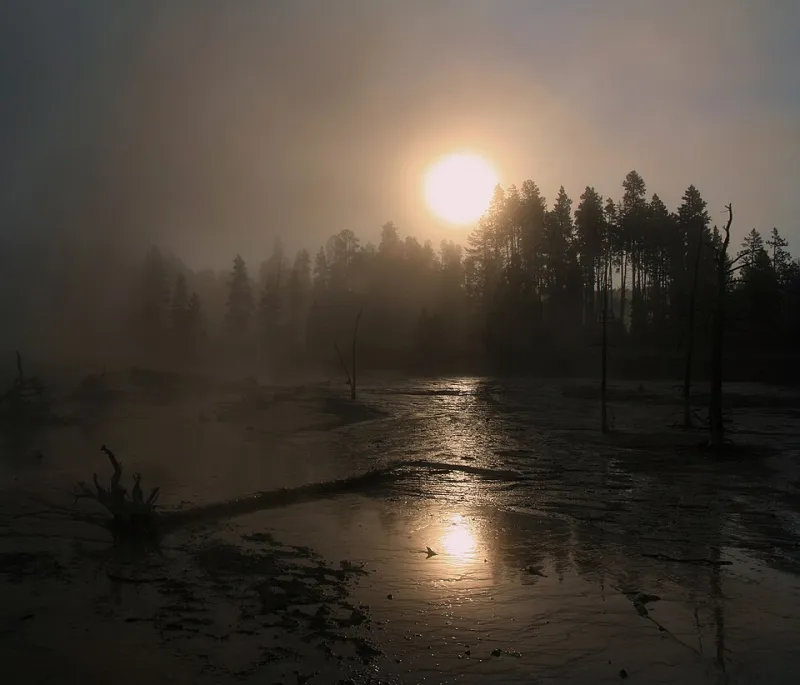
In dry years, when reservoir levels drop significantly, something remarkable occasionally happens: the ghost of the town reappears. Stone foundations emerge from the waterline. The outlines of streets become visible in the silt. Old-timers who were children when the water came have been known to drive to the reservoir's edge and point out where things used to be — the feed store, the school, the house where a grandmother was born.
These moments have prompted informal archaeological surveys at several reservoir sites across the country. Researchers have recovered artifacts, mapped foundations, and in some cases used ground-penetrating radar to trace the layout of streets that haven't been walked in sixty or seventy years.
The findings have been used to help descendants reconstruct family histories that official records couldn't support. It is, in its way, a form of justice — slow, incomplete, and only available during droughts.
Progress and What It Costs
The reservoirs built during the mid-twentieth century infrastructure boom provide drinking water, flood control, and hydroelectric power to millions of Americans today. The trade-offs involved in building them were real and, in many cases, enormous — particularly for the rural and often low-income communities that bore the cost so that larger populations downstream could benefit.
But the strangest legacy of those projects may be this: in the effort to build something permanent, they accidentally destroyed something that should have been permanent too — the documentary evidence that certain places, and the people who loved them, had ever existed at all.
The water is still there. The town is still gone. And somewhere in a dry-year drought, if you look at the right reservoir from the right angle, you can sometimes see the faint outline of what used to matter to someone.