Till Death Do Us Part — and Then a Little After: The Surprisingly Common Practice of Marrying the Dead
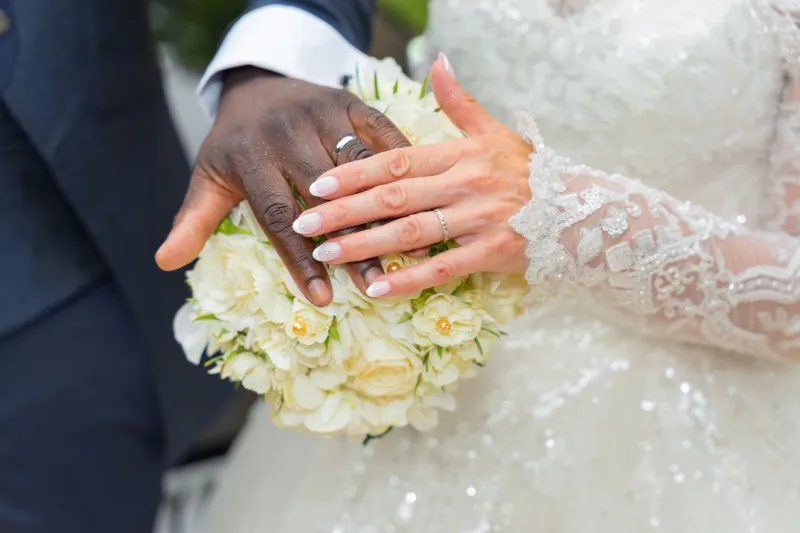
The wedding invitation was unusual, even by French standards. The groom would not be attending — not because he had cold feet, but because he had been dead for two months. The bride, however, showed up. The mayor officiated. The ceremony was legally valid.
And this was not a one-time legal curiosity. France has approved thousands of posthumous marriages since the practice was formally codified in 1959. Other countries have their own versions. And while the United States doesn't have a blanket federal provision for it, American courts have approved arrangements that amount to essentially the same thing — binding legal unions with people who are no longer alive to say "I do."
Reality, as it turns out, has a much more flexible definition of marriage than most of us were taught.
How France Ended Up Pioneering Dead-Person Matrimony
The story of how posthumous marriage became French law is itself almost too strange to believe. In 1959, a dam collapsed near Fréjus, killing hundreds of people including a young man named André Capra. His fiancée, Irène Jodard, was pregnant with his child. She petitioned President Charles de Gaulle himself, asking to be recognized as Capra's widow so that her child would not be considered illegitimate.
De Gaulle, apparently moved by the situation, granted the request and then — in a very French move — decided to make it official government policy.
The resulting law allows any French citizen to petition the President for permission to marry a deceased person, provided that the couple had clearly intended to marry before the death occurred and that the living partner can demonstrate the relationship was genuine. The marriage, once approved, is recognized as having taken place before the death — meaning it is legally retroactive.
Since 1959, French presidents have approved these petitions regularly. The numbers vary by year, but estimates suggest several dozen to a few hundred are granted annually. Some involve soldiers killed in combat. Others involve accident victims. A significant number involve people who died of illness before a planned ceremony could take place.
The Practical Logic Behind a Strange Law
It's tempting to dismiss posthumous marriage as a sentimental legal oddity — something invented to make grieving people feel better without much real-world consequence. But the legal effects are surprisingly substantial.
In France, a posthumous marriage grants the surviving spouse inheritance rights, pension benefits, and the legal status of widow or widower. Children born of the union are recognized as legitimate heirs. For military families in particular, this matters enormously — a recognized spouse receives benefits that an unmarried partner does not.
The same practical logic drives similar arrangements in other countries. China has a tradition of "ghost marriages," in which deceased individuals are married to each other (or occasionally to living spouses) to ensure their spirits are not lonely in the afterlife. The practice has roots going back centuries and remains active in some rural communities today — sometimes with genuinely grim consequences, as it has occasionally created a black market for the bodies of deceased women.
Saudi Arabia and Sudan have also recognized posthumous marriages in specific circumstances, generally involving pregnancies that occurred before an unexpected death.
What About the United States?
American law doesn't have a general provision for posthumous marriage the way France does. But that doesn't mean it hasn't happened here.
In 2009, a case in Oklahoma attracted national attention when a woman sought to be recognized as the legal widow of her boyfriend, who had been killed in a car accident before they could marry. The couple had been engaged, had already obtained a marriage license, and the ceremony had been scheduled. The courts ultimately declined to recognize a posthumous marriage, but the case prompted significant debate about whether American law should have a mechanism for exactly these situations.
More significantly, American courts have repeatedly grappled with the question of posthumous reproduction — whether a widow can use her deceased husband's stored genetic material to conceive a child, and whether that child is entitled to Social Security survivor benefits. The Supreme Court addressed a version of this question in Astrue v. Capato (2012), ruling that states could apply their own inheritance laws to determine eligibility, effectively leaving the question fragmented across jurisdictions.
Some states have been more accommodating than others. The legal landscape is genuinely inconsistent — which means that depending on where you live, the courts may be more sympathetic to posthumous union claims than you'd expect.
The Human Stories Underneath the Legal Strangeness
What makes this topic genuinely moving — underneath all the legal architecture — is the reason people pursue these arrangements in the first place. Almost universally, it isn't about benefits or inheritance. It's about recognition.
A couple plans a life together. One of them dies unexpectedly. The survivor doesn't want to be a grieving girlfriend or boyfriend. They want to be a widow. They want the world to acknowledge that what they had was real, was serious, was permanent — even if permanence turned out to be shorter than expected.
The French law, whatever its peculiarities, takes that desire seriously. It says: the intention to marry is itself meaningful. The love was real even if the ceremony never happened.
That's a surprisingly generous thing for a legal code to acknowledge.
And the fact that thousands of people have taken advantage of it suggests that the desire to formalize love — even after death has made formality seem impossible — is more common than most of us would have guessed.
Strange? Absolutely. But also, in its own way, deeply human.