The Nebraska Senator Who Dragged the Almighty to Court and Actually Got a Ruling

When Politics Meets Divine Justice
Imagine walking into a courthouse, filing paperwork against the creator of the universe, and actually getting a response from a judge. It sounds like the setup to a bad joke, but in 2008, Nebraska State Senator Ernie Chambers did exactly that—and the American legal system took him seriously enough to issue an official ruling.
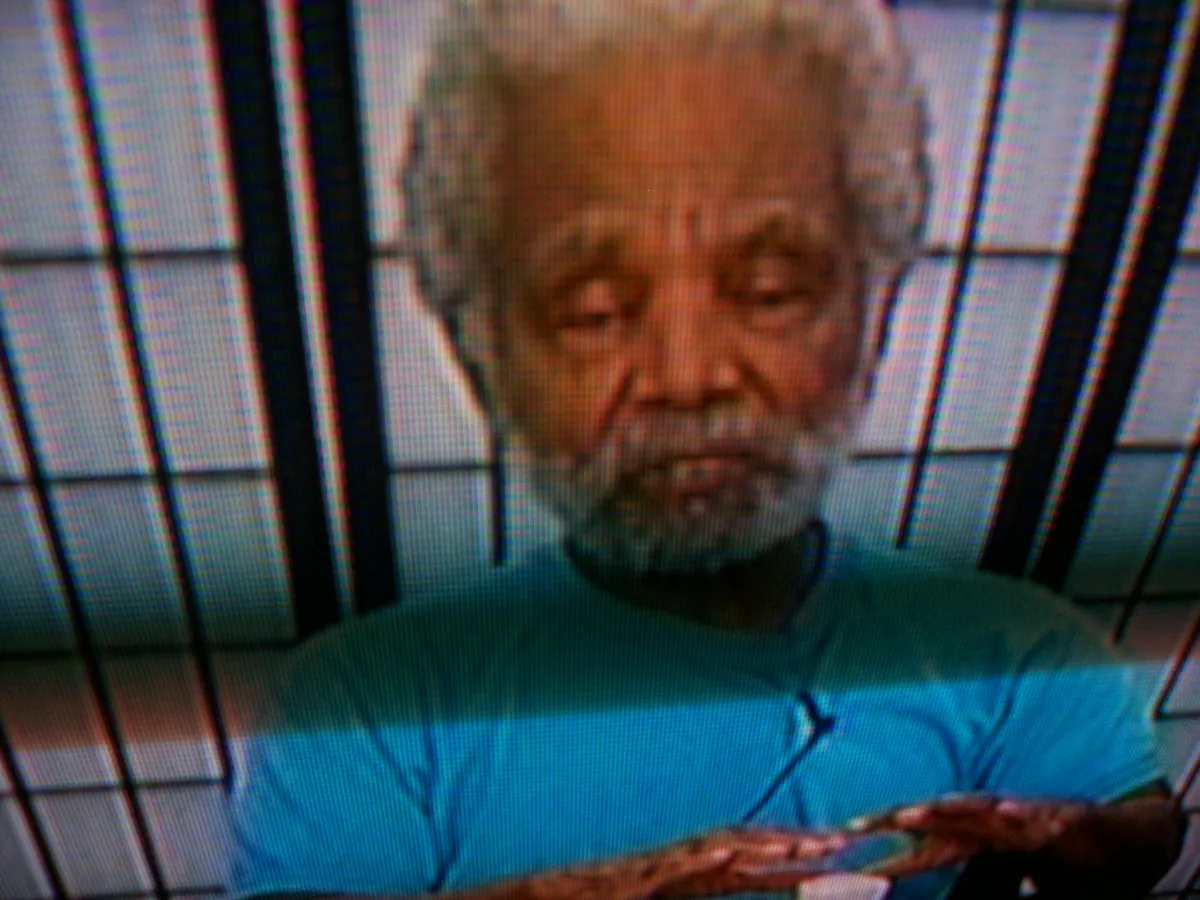 Photo: Ernie Chambers, via thesusansmithshow.files.wordpress.com
Chambers wasn't having a religious crisis or a mental breakdown. The 70-year-old civil rights activist and longest-serving state senator in Nebraska history had a very specific point to make about what he saw as the increasingly absurd nature of American litigation. His target? A legal system that seemed willing to entertain any lawsuit, no matter how ridiculous.
The Complaint Against the Divine
On September 14, 2007, Chambers marched into Douglas County District Court in Omaha and filed a lawsuit that would make legal history for all the wrong reasons. The defendant: God. The charges: making terroristic threats, inspiring fear, and causing widespread death and destruction through acts commonly referred to as "natural disasters."
The eight-page complaint read like a theological legal brief written by someone who'd spent too much time in law libraries. Chambers accused God of causing "fearsome floods, egregious earthquakes, horrendous hurricanes, terrifying tornadoes, pestilential plagues, ferocious famines, devastating droughts, genocidal wars, birth defects, and the like."
But here's where it gets truly bizarre: Chambers was completely serious about the legal process, even if the target was unconventional. He served the papers properly, followed court procedures to the letter, and waited for a response just like any other plaintiff in the American justice system.
The Judge's Dilemma
District Judge Marlon Polk found himself in an unprecedented position. How do you handle a lawsuit against an omnipotent being who doesn't exactly maintain a registered address for service of process? Most judges might have dismissed the case immediately, but Polk decided to treat it with the same legal rigor he'd apply to any other filing.
 Photo: Judge Marlon Polk, via imgv2-2-f.scribdassets.com
The case dragged on for nearly a year. Chambers argued that God, being omniscient, was certainly aware of the lawsuit and chose not to respond—which could be interpreted as a default judgment in his favor. The legal community watched with fascination as one of America's most fundamental principles—that anyone can sue anyone—collided with the practical realities of divine litigation.
The Verdict That Made History
In October 2008, Judge Polk finally issued his ruling, and it was everything Chambers had hoped for in terms of exposing legal absurdity. Polk dismissed the case, but not for the reasons you might expect. He didn't question whether God existed or whether divine beings could be held legally accountable for natural disasters.
Instead, Polk focused on a fundamental procedural problem: the plaintiff had failed to provide a proper address for service of process. "Given that this court is unable to serve process on the named defendant," Polk wrote, "the defendant is dismissed from this action."
The judge's reasoning was both brilliant and ridiculous. He essentially ruled that while you can sue God in America, you need His mailing address first.
Mission Accomplished
Chambers had achieved exactly what he set out to prove. The American legal system was so open to litigation that it would seriously consider a lawsuit against the creator of the universe, complete with formal hearings, legal briefs, and an official judicial ruling. The case demonstrated both the strength and the potential absurdity of a system designed to give everyone their day in court.
The senator's stunt wasn't just political theater—it was a carefully crafted demonstration of how frivolous lawsuit legislation might affect legitimate cases. Chambers argued that if lawmakers wanted to restrict "silly" lawsuits, they needed to be very careful about how they defined silly.
The Aftermath
The case made international headlines and turned Chambers into an unlikely folk hero among legal scholars and late-night comedians alike. Law schools began using Chambers v. God as a teaching tool for discussions about standing, jurisdiction, and the limits of judicial power.
More importantly, the case served its intended purpose. Chambers successfully demonstrated that the problem wasn't that American courts entertained frivolous lawsuits—it was that defining "frivolous" was far more complicated than most politicians realized.
Today, the case remains a perfect example of how America's commitment to legal access can produce results that are simultaneously admirable and completely ridiculous. In a country where you can sue God and get a formal response from a judge, perhaps the real question isn't whether the system works—it's whether we're brave enough to live with the consequences of true legal equality.
After all, if God can get sued in America, anyone can. And according to Judge Polk's ruling, even the Almighty isn't above the law—He just needs to update His contact information with the court.