When Music Became Medicine: The Medieval Dance Craze That Killed Its Own Dancers
The Day Dancing Turned Deadly
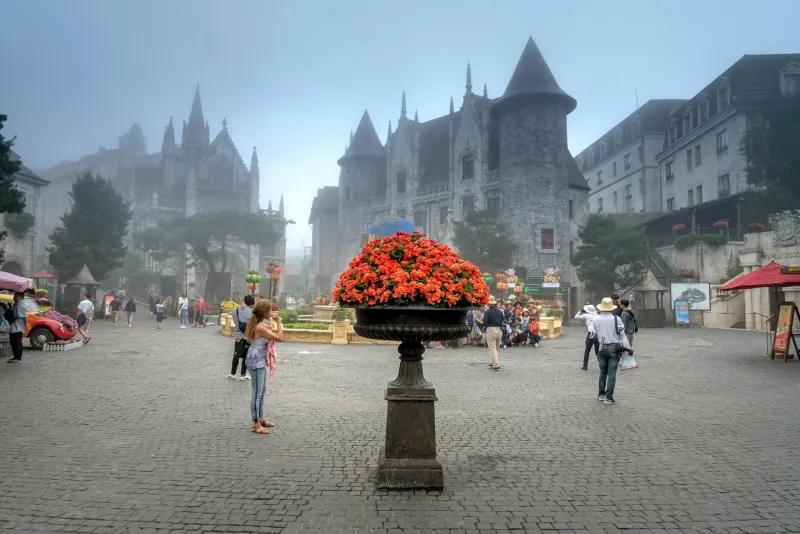
Picture this: you're walking through the cobblestone streets of Strasbourg on a summer morning in 1518, and you witness something that defies all logic. Dozens of people are dancing frantically in the town square—not celebrating, not performing, but writhing and gyrating with wild, desperate movements. Their faces show no joy, only terror and exhaustion. Some collapse from fatigue, others cry out for help, but their feet keep moving against their will.
This wasn't a festival gone wrong or some medieval flash mob. This was the beginning of one of history's most documented yet inexplicable mass phenomena: the Dancing Plague of 1518.
It Started With Just One Woman
The nightmare began with Frau Troffea, a middle-aged woman who stepped into a narrow street in Strasbourg and began to dance. Not the graceful, purposeful dancing of celebration, but a frantic, uncontrolled movement that seemed to possess her entire body. She danced through the day, then through the night, and into the next day.
By the end of the week, thirty-four others had joined her—not by choice, but as if struck by the same mysterious compulsion. Within a month, the number had swelled to around 400 people, all trapped in the same terrifying dance that their bodies refused to stop performing.
Contemporary accounts describe scenes that sound like something from a horror movie: people dancing until their feet bled, others collapsing from heart attacks brought on by the relentless physical exertion, and some reportedly dancing themselves to death. The city's chroniclers documented at least fifteen deaths directly attributed to the dancing plague, though the actual number was likely higher.
The Cure That Made Everything Worse
Faced with this unprecedented crisis, Strasbourg's city council turned to the medical experts of their time. The physicians' diagnosis? The dancers were suffering from "hot blood" that could only be cooled through—you guessed it—more dancing.
In what might be history's most counterproductive medical intervention, the city officials hired professional musicians and dancers to encourage the afflicted. They opened guildhalls and even constructed a wooden stage in the town square, believing that organized, continuous dancing would cure the mysterious ailment.
The strategy backfired spectacularly. Instead of providing relief, the music and encouragement seemed to intensify the dancing mania, drawing in even more victims and prolonging the suffering of those already affected.
When Prayer Replaced Prescriptions
After weeks of watching their "cure" make the situation worse, city officials finally abandoned the medical approach and turned to spiritual intervention. They banned all music and dancing, removed the afflicted from the city center, and organized religious processions and prayers.
Somewhat mysteriously, the dancing plague began to subside around the same time these religious measures were implemented. By September 1518, the streets of Strasbourg had returned to normal, leaving behind only traumatized survivors and a mystery that continues to baffle experts more than 500 years later.
The Theories That Try to Explain the Impossible
Modern researchers have proposed several explanations for what really happened in Strasbourg, but none fully account for all the documented details.
Mass Psychogenic Illness is the most widely accepted theory. This phenomenon, also known as mass hysteria, occurs when psychological stress manifests as physical symptoms that spread through a group. Strasbourg in 1518 was dealing with famine, disease, and social upheaval—perfect conditions for collective psychological breakdown.
Ergot Poisoning offers another compelling explanation. Ergot, a fungus that grows on rye grain, can cause hallucinations, seizures, and uncontrolled muscle spasms when consumed. The symptoms of ergotism, known as "St. Anthony's Fire," could potentially explain the uncontrollable dancing movements.
Religious Ecstasy Gone Wrong is suggested by some historians who point to the medieval belief in St. Vitus, the patron saint of dancers. Some of the afflicted were reportedly taken to a shrine dedicated to St. Vitus, suggesting a connection between religious fervor and the dancing compulsion.
The Mystery That Medicine Can't Solve
What makes the Dancing Plague of 1518 so fascinating—and so terrifying—is how well it was documented by multiple independent sources, yet how impossible it remains to fully explain. The event was recorded by physicians, chroniclers, and city officials, making it one of the most thoroughly documented cases of mass psychogenic illness in history.
Similar dancing plagues occurred throughout medieval Europe, but none were as severe or as well-recorded as the Strasbourg outbreak. The phenomenon seems to have been a perfect storm of psychological stress, social conditions, and possibly biological factors that created something genuinely unprecedented in human history.
Today, the Dancing Plague of 1518 serves as a chilling reminder that the human mind and body can respond to extreme stress in ways that seem to defy the laws of nature. In an era when we think we understand the limits of human behavior, the dancers of Strasbourg remind us that reality can be stranger—and more terrifying—than any fiction we could imagine.
The next time you hear about mass hysteria or group psychology, remember Frau Troffea and her unwilling dance partners, whose feet moved to a rhythm that no one could hear and no one could stop.