Democracy Gone to the Dogs: The Minnesota Town That Can't Stop Electing Their Four-Legged Mayor
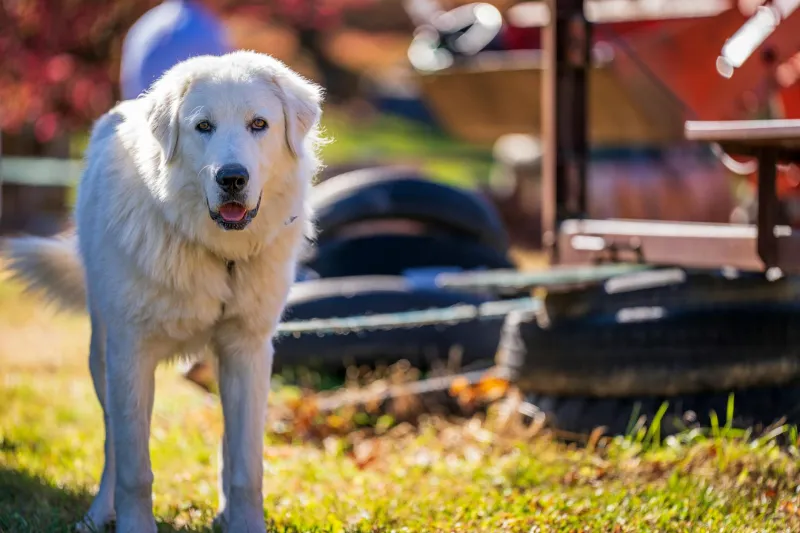
When Democracy Gets a Little Ruff
Imagine walking into a polling station and seeing a dog's name on the ballot—not as a joke, but as a legitimate candidate for mayor. That's exactly what happens every election cycle in Cormorant Township, Minnesota, where a Great Pyrenees named Duke has turned local politics into America's most bizarre democratic tradition.
Duke didn't start his political career with grand ambitions. In fact, he had no ambitions at all, being a dog. But in 2014, frustrated residents of this tiny township decided to make a statement about their local political options by writing in Duke's name as a protest vote. What happened next defied every expectation: Duke won.
The Birth of a Political Dynasty
Cormorant Township, with a population hovering around 1,000 people, operates under Minnesota's unique township governance system. Unlike incorporated cities with strict electoral rules, townships have considerably more flexibility in how they conduct their affairs. This legal wiggle room is precisely what made Duke's victory possible—and legitimate.
The township's residents weren't just being silly when they elected Duke. They were genuinely dissatisfied with their human political options and saw the write-in campaign as a way to voice their displeasure. What they didn't expect was that their protest vote would actually work, or that Duke would prove to be such an effective—if unconventional—leader.
A Mayor's Daily Duties (Sort Of)
Once in office, Duke approached his mayoral responsibilities with the same enthusiasm he brought to everything else: by being a dog. His "office hours" consisted of wandering around town, greeting constituents with tail wags, and occasionally attending town meetings where he would lie quietly while humans handled the actual governance.
But here's where the story gets genuinely interesting: Duke's presence at these meetings had an unexpected effect. Town discussions became more civil, residents were more likely to attend, and the overall atmosphere of local government improved dramatically. It turns out that having a dog as your ceremonial leader makes it pretty hard to take yourself too seriously during budget discussions.
The township's human officials handle the actual administrative work, of course. Duke's role is largely symbolic, but that symbolism carries real weight. His elections have consistently drawn higher voter turnout than typical township races, engaging residents who might otherwise ignore local politics entirely.
The Legal Loophole That Made It All Possible
Minnesota's township law contains what might be the most accidentally democratic provision in American governance: it doesn't explicitly require mayors to be human. The statutes outline residency requirements, age minimums for human candidates, and various procedural rules, but they never specifically exclude non-human residents from holding office.
This oversight—if you can call it that—stems from the practical reality that nobody thought to address the possibility of electing a dog. The law assumes human participation without explicitly mandating it, creating a loophole large enough for a Great Pyrenees to walk through.
Legal experts who have examined Duke's situation generally agree that his elections, while unusual, don't violate any existing statutes. The township follows proper electoral procedures, counts votes correctly, and maintains all required documentation. The fact that the winner happens to have four legs and a tail doesn't invalidate the democratic process.
Four Elections and Counting
Duke's political success wasn't a fluke. He's now won four separate elections, each time by comfortable margins. His campaigns, if you can call them that, consist mainly of being a friendly, approachable presence in the community. He doesn't make promises he can't keep, never engages in negative campaigning, and has maintained a scandal-free administration throughout his tenure.
Each election cycle brings renewed media attention to Cormorant Township, but residents have embraced their unusual claim to fame. Local businesses display "Duke for Mayor" signs year-round, and the township has become something of a tourist destination for people curious about America's only canine mayor.
What Duke's Success Really Means
Behind the novelty of a dog mayor lies a genuinely fascinating example of American democracy's flexibility. Duke's elections demonstrate that our political system, particularly at the local level, can accommodate even the most unexpected outcomes when citizens engage with the process.
The residents of Cormorant Township didn't just elect Duke as a joke—they elected him as a statement about what they wanted from local government. They wanted leadership that brought people together rather than driving them apart, representation that focused on community rather than personal ambition, and governance that remembered its ultimate purpose: serving the people.
In that sense, Duke has been remarkably successful. His tenure has coincided with increased civic engagement, improved community relations, and more collaborative local government. Whether these improvements are because of Duke or simply coincidental, residents seem pleased with their choice.
The Enduring Appeal of Canine Governance
Duke's story resonates because it captures something essentially American: the idea that democracy should be accessible, that anyone (or in this case, any dog) can participate, and that sometimes the best leaders are those who never sought power in the first place.
As Duke continues his unlikely political career, Cormorant Township has become a symbol of democracy's capacity for surprise, adaptation, and even joy. In a political landscape often characterized by division and cynicism, there's something refreshing about a community that found unity behind a candidate who campaigns on belly rubs and unconditional loyalty.
After all, in a world of political promises and broken trust, sometimes the most honest politician is the one who can't talk at all.