The Day Water Became the Enemy
On April 29, 1986, the Los Angeles Public Library's Central Branch erupted in flames that would rage for seven hours, sending smoke billowing across downtown LA. But here's the twist that nobody saw coming: the fire itself wasn't the library's biggest problem that day. The water used to fight it was.
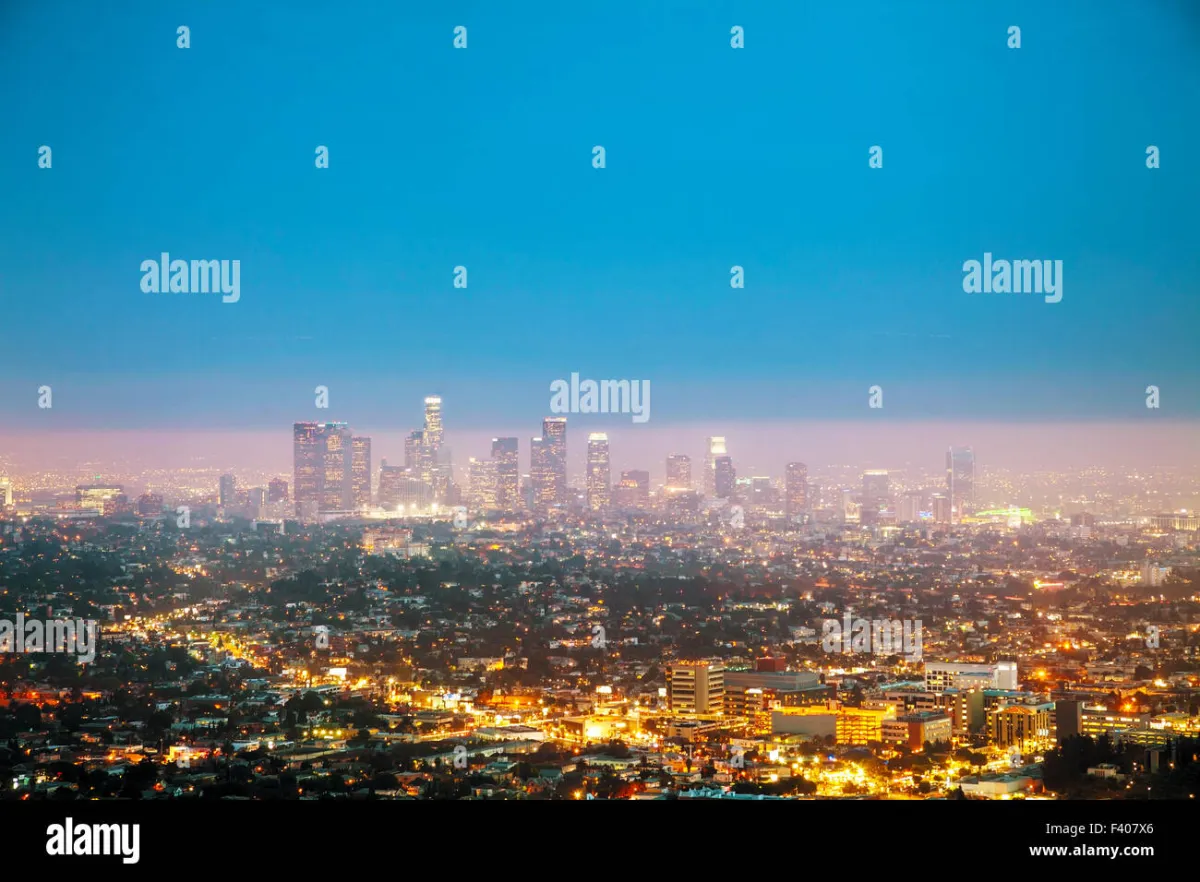 Photo: Los Angeles, via c8.alamy.com
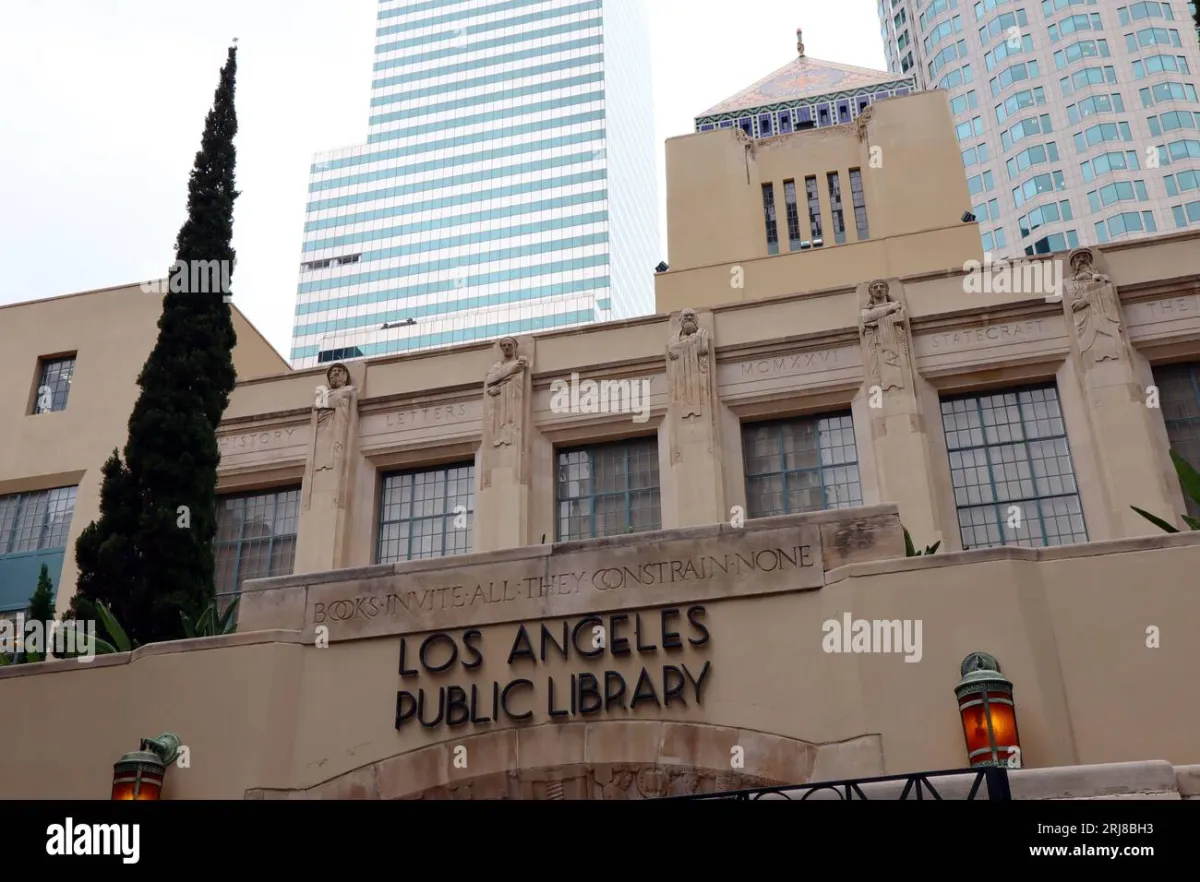 Photo: Los Angeles Public Library, via c8.alamy.com
What started as a routine morning at one of America's largest public libraries quickly turned into a preservation nightmare that would make librarians everywhere question everything they thought they knew about saving books. The fire destroyed roughly 400,000 books and damaged another 700,000 – but here's the kicker: most of that damage came from the 3 million gallons of water firefighters poured into the building to stop the flames.
When Heroes Become Villains
The Los Angeles Fire Department did exactly what they were trained to do. They attacked the blaze with everything they had, deploying dozens of trucks and aerial ladders to douse the seven-story building. The firefighters were heroes – they saved the historic structure and prevented the flames from spreading to neighboring buildings.
But water and books have about as much chemistry as oil and vinegar. While the fire consumed manuscripts on the upper floors, the torrential indoor rainstorm created by fire hoses was busy destroying entire collections on every level below. Rare books that had survived earthquakes, riots, and decades of budget cuts were now drowning in their own rescue operation.
The irony was almost poetic: in their desperate attempt to save the library, the city was accidentally creating the largest book-destroying operation in California history.
The Strangest Volunteer Army in American History
What happened next reads like something out of a disaster movie, if disaster movies featured thousands of ordinary people forming human chains to save soggy literature. Within hours of the fire being extinguished, word spread throughout Los Angeles that the library needed help – and the response was unprecedented.
Volunteers materialized from everywhere. Accountants, actors, teachers, and retirees showed up with hair dryers, fans, and an inexplicable determination to save books they'd never read. The library's parking garage was transformed into the world's largest book-drying operation, with volunteers carefully separating wet pages and arranging damaged volumes in endless rows.
Some volunteers worked in shifts around the clock. Others brought their own equipment – industrial fans, space heaters, anything that could move air or generate warmth. The scene looked like a cross between a field hospital and the world's most depressing book fair.
The Science of Literary Resurrection
What these volunteers were attempting had never been tried on this scale. When books get soaked, they don't just get wet – they become breeding grounds for mold, their bindings dissolve, and their pages fuse together into paper brick. The clock was ticking, and nobody really knew if their improvised rescue operation would work.
Professional conservators arrived to provide guidance, but even they were making it up as they went along. The standard advice for water-damaged books was to freeze them immediately to halt deterioration, but the library didn't have freezer space for 700,000 books. So the volunteers kept drying, page by page, book by book, hoping that enthusiasm could somehow overcome physics.
The most heartbreaking part? Many of the books they were trying to save had been damaged beyond repair the moment that first fire hose opened up. The volunteers were essentially performing CPR on a library that had already drowned.
The Aftermath That Nobody Expected
When the final tallies came in, the numbers told a story that fire safety manuals never prepared anyone for. The actual flames had destroyed about 400,000 books – a devastating loss, but one that was confined to specific areas of the building. The water damage, however, had affected nearly twice as many volumes throughout the entire structure.
Insurance companies found themselves in the bizarre position of paying out claims for books that were technically "saved" from fire but had been destroyed by the salvation process itself. The library had to completely rethink its disaster response protocols, acknowledging that sometimes the cure really can be worse than the disease.
The Legacy of LA's Wettest Day
The 1986 Los Angeles Library fire changed how cultural institutions approach disaster response across America. Libraries nationwide began installing sophisticated sprinkler systems designed to minimize water damage, and conservation experts developed new protocols that prioritize protecting collections from their own rescue operations.
But perhaps the most lasting impact was the reminder that good intentions and heroic efforts don't always align with good outcomes. Sometimes saving something means accepting that you might destroy it in the process – and sometimes the most dangerous enemy is the one that shows up wearing a hero's uniform.
The volunteers who showed up that day weren't naive. They knew they were fighting a losing battle against physics and time. But they showed up anyway, armed with hair dryers and hope, proving that sometimes the most human response to disaster is the most beautifully illogical one.