The Town That Paperwork Forgot
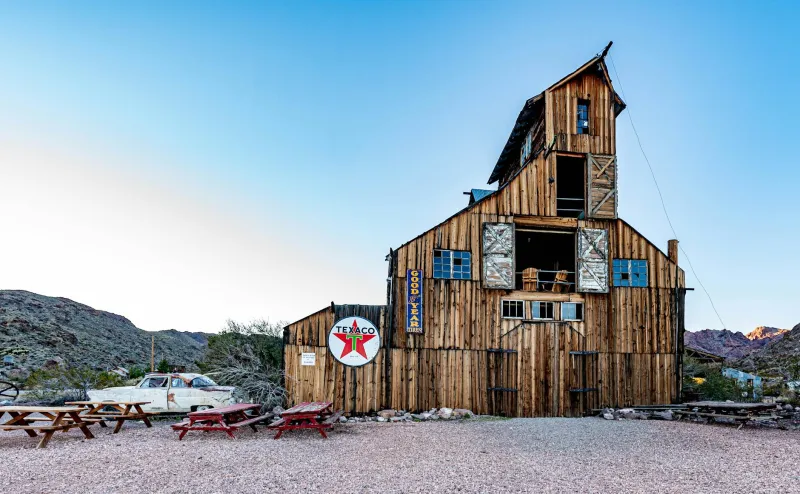
In the early 1900s, the remote Nevada settlement of Ione was busy doing what frontier towns do: mining silver, raising cattle, and generally minding its own business in the middle of nowhere. What the residents didn't know was that due to a series of bureaucratic oversights, their little community had accidentally seceded from the United States and was operating as an unrecognized microstate in the American West.
For three years, roughly 200 ranchers, miners, and their families lived in a legal gray zone that technically placed them outside the jurisdiction of Nevada state law, federal authority, and pretty much every other form of government except whatever they decided to create themselves. They were American citizens living in a place that America had somehow misplaced.
How to Lose a Town in Three Easy Steps
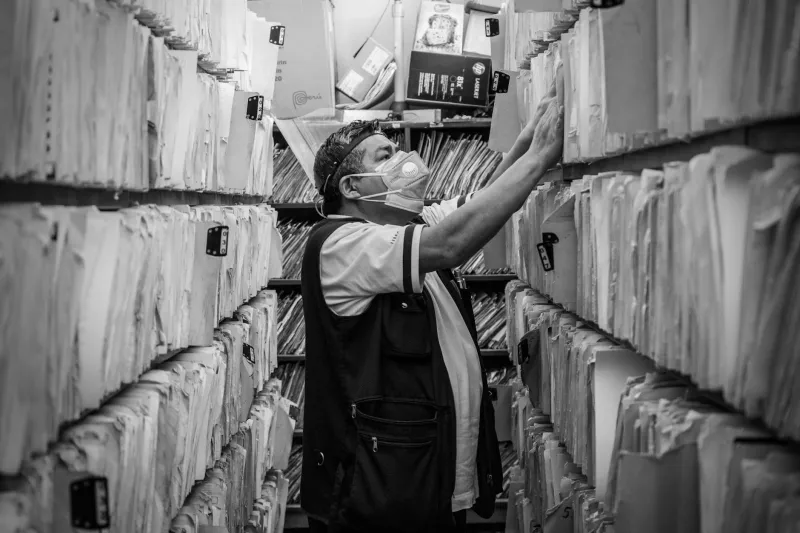
The path to accidental independence began with the kind of bureaucratic comedy that only government paperwork can produce. When Ione's founders first attempted to incorporate their settlement, they filed the initial papers with Nye County but missed a crucial deadline for state registration. The county clerk, overwhelmed with similar applications from dozens of mining camps, approved the local filing without checking whether the state had signed off.
 Photo: Nye County, via www.nyecountynv.gov
Meanwhile, the state of Nevada had its own paperwork problems. The incorporation request had been received but misfiled under a different county entirely. When the deadline passed without proper documentation, Nevada's territorial office simply assumed Ione had decided not to incorporate and removed it from their pending files.
The federal government, which tracked new settlements for postal and tax purposes, was waiting for Nevada to confirm Ione's status before adding it to their records. When that confirmation never came, they left the town off their official maps entirely.
The result was a perfect storm of administrative incompetence that created a settlement existing in the bureaucratic equivalent of the Bermuda Triangle.
Life in Legal Limbo
For the residents of Ione, daily life continued much as it had before – with one crucial difference. Technically, they were no longer subject to state or federal law. They couldn't be arrested by Nevada sheriffs, taxed by the state treasury, or regulated by territorial authorities. They had accidentally achieved what libertarians could only dream of: a government-free existence.
Of course, nobody realized this at the time. The residents continued paying their taxes (which were processed but never officially collected), following state laws (which didn't technically apply to them), and participating in elections (where their votes were counted but legally meaningless).
The local sheriff continued making his rounds, unaware that he had no actual authority in Ione. The postmaster delivered mail using a route that officially didn't exist to serve a town that wasn't on any maps. Even the railroad, which had built a spur line to serve the mining operations, was technically operating an illegal cross-border service without knowing it.
The Property Dispute That Revealed Everything
Ione's accidental independence might have continued indefinitely if not for a bitter dispute between two local ranchers over grazing rights. When the conflict escalated beyond what the community could handle internally, one of the ranchers decided to take his case to the state courts in Carson City.
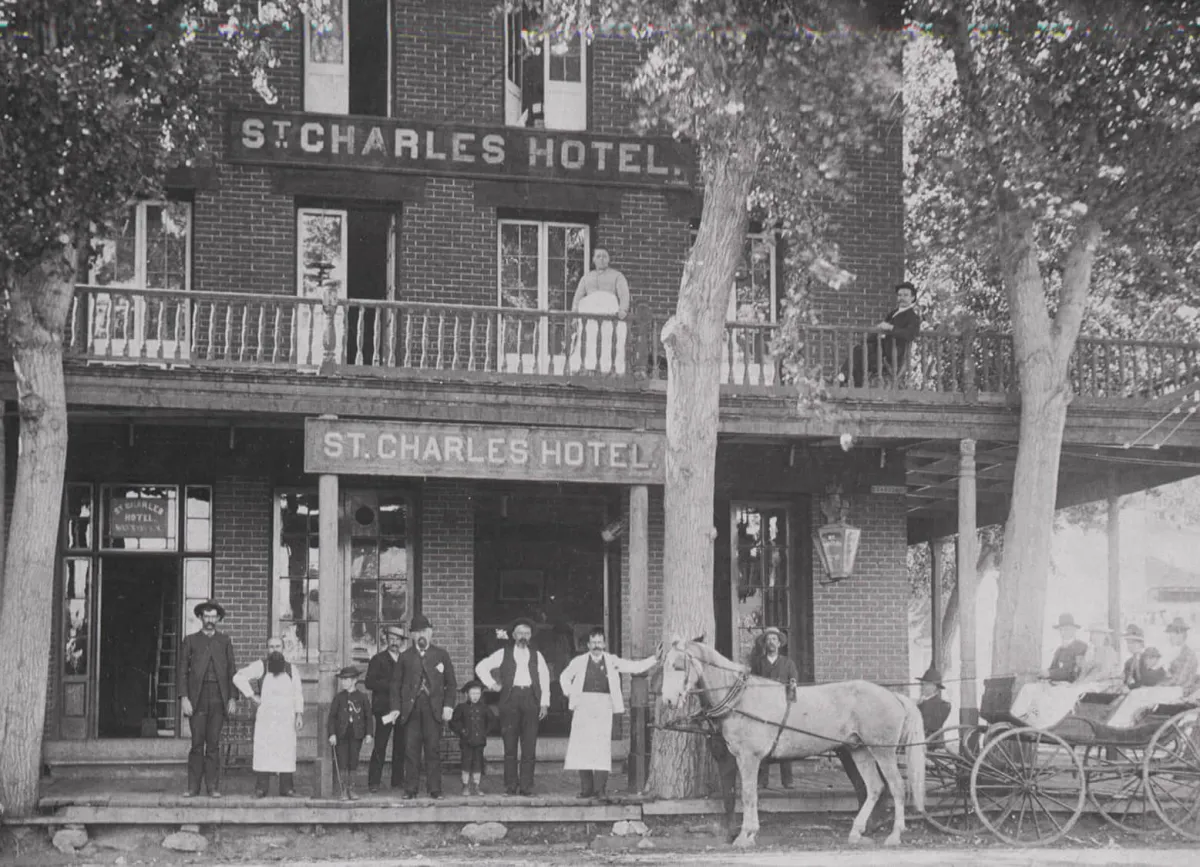 Photo: Carson City, via travelnevada.com
That's when things got interesting.
The county clerk in Carson City, tasked with researching the legal status of the disputed land, discovered that according to official records, the property in question didn't exist within any recognized jurisdiction. The town of Ione wasn't incorporated, the land wasn't properly surveyed, and the entire area existed in a legal void that made property ownership essentially meaningless.
What followed was a frantic investigation that revealed the full scope of the bureaucratic disaster. Nevada had a town full of citizens that it had somehow lost track of, collecting taxes from people who weren't technically required to pay them, and enforcing laws in a place where those laws didn't officially apply.
The Great Re-Incorporation
Fixing Ione's legal status required a special session of the Nevada territorial legislature, emergency surveying by federal cartographers, and enough paperwork to fill a mining cart. The state had to retroactively recognize three years of legal decisions, validate property transfers that had occurred in a legal vacuum, and figure out what to do about the taxes they'd been collecting without authority.
The federal government faced its own challenges. How do you add a town to your maps when you're not entirely sure where its borders are? How do you extend postal service to a place that officially doesn't exist? The solution involved a complex legal fiction that treated Ione as if it had been properly incorporated all along, despite overwhelming evidence to the contrary.
The residents of Ione, meanwhile, found themselves in the unique position of having to choose whether they wanted to officially join the United States. Most voted yes, though a few holdouts argued that their three years of accidental independence had been the most peaceful in the town's history.
The Legacy of America's Lost Town
The Ione incident became a cautionary tale about the fragility of the administrative systems that hold American geography together. It revealed how easy it was for entire communities to slip through bureaucratic cracks, and how much of what we think of as official reality depends on clerks filing the right papers in the right offices at the right time.
More importantly, it demonstrated that in the American West, the difference between being part of the United States and accidentally creating your own country could come down to a missed deadline and a misfiled form. The residents of Ione had spent three years proving that sometimes the most effective government is the one that doesn't know you exist.
Today, Ione is a properly incorporated Nevada town with all the legal documentation required to prove its American citizenship. But for a brief moment in the early 1900s, it served as an accidental experiment in what happens when bureaucracy fails so completely that it creates freedom by mistake. Sometimes the best way to escape government oversight isn't revolution – it's just really bad paperwork.