The Michigan Ghost Town Built to Die: How Ford's Fake Village Became More Real Than Anyone Expected
When Deception Became Architecture
In the rolling farmland outside Detroit, there once stood a town that existed for the sole purpose of being destroyed. It had streets, buildings, parking lots, and even streetlights—but no residents, no businesses, and no real reason to exist beyond fooling enemy pilots flying overhead at 20,000 feet. Welcome to the strangest real estate development in American history: Ford's phantom village.
The year was 1943, and the Ford Motor Company's Willow Run plant had become the largest factory in the world, churning out B-24 Liberator bombers at the unprecedented rate of one aircraft every hour. The facility was so massive—covering 3.5 million square feet—that it could be seen from space decades before satellites made such observations routine. For American war planners, this presented a terrifying problem: if German U-boats could land saboteurs on the East Coast, what was stopping enemy aircraft from targeting the most important military production facility in North America?
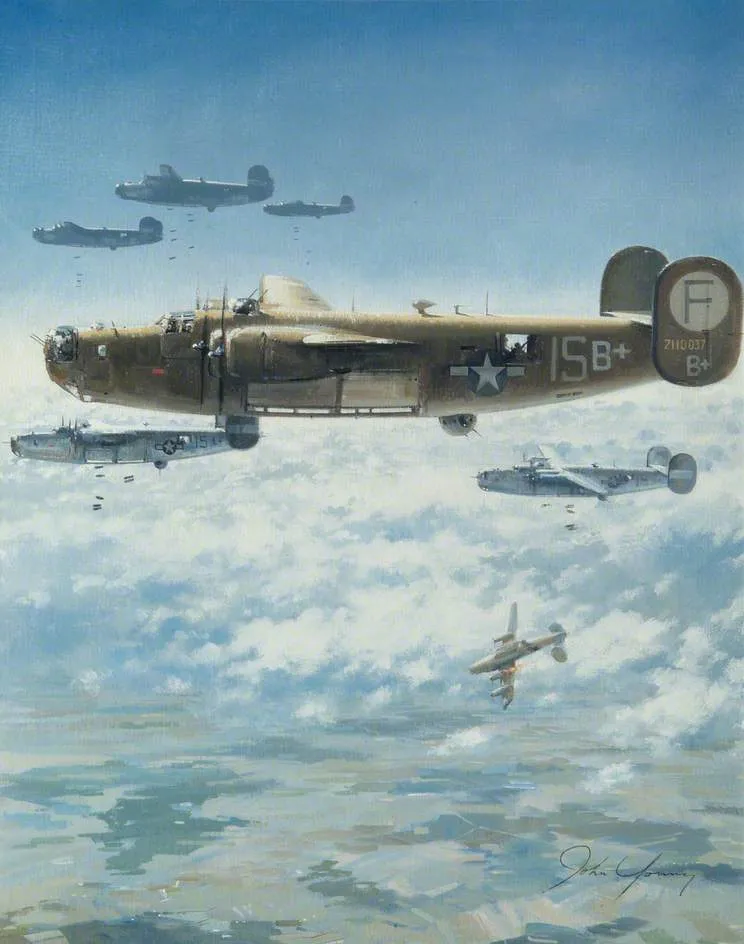 Photo: B-24 Liberator, via d3d00swyhr67nd.cloudfront.net
 Photo: Willow Run, via warfarehistorynetwork.com
The Art of Strategic Misdirection
The solution came from an unlikely source: Hollywood set designers and magicians recruited by the U.S. military's camouflage division. Their mission was simple in concept but staggering in execution: build a fake town convincing enough to draw enemy bombers away from the real Willow Run plant, but expendable enough that its destruction wouldn't matter.
The decoy village rose from Michigan farmland like a movie set designed by paranoid generals. Every detail was crafted to look authentic from bombing altitude—fake roads that led nowhere, dummy buildings constructed from lightweight materials, and an elaborate lighting system that mimicked the glow of a bustling industrial community. The centerpiece was a fake factory building, complete with smokestacks that actually produced smoke and parking lots filled with carefully arranged cardboard cars.
But here's where the project took an unexpected turn: the military contractors did their job too well.
The Town That Became Too Real
By 1944, the decoy village had evolved into something approaching an actual community. Workers assigned to maintain the illusion had built temporary housing nearby. Local farmers began using the fake roads as shortcuts to real destinations. The dummy streetlights, designed to operate on a schedule that mimicked genuine town activity, became landmarks for nighttime travelers.
Most surprisingly, the postal service began receiving mail addressed to the fake town. Apparently, the combination of visible buildings and legitimate-looking streets was enough to convince mapmakers that they'd discovered an overlooked community. The decoy village started appearing on regional maps, complete with a name that military censors had assigned as a code designation: "Willow Run South."
The Enemy That Never Came
The irony of the entire operation was that German forces never mounted a serious bombing campaign against the American mainland. The Luftwaffe lacked the long-range aircraft necessary to reach Michigan from occupied Europe, and German U-boat technology wasn't advanced enough to support sustained air operations from submarines off the American coast.
Meanwhile, the fake town continued its strange existence, maintained by a skeleton crew who took their jobs seriously despite knowing they were guarding an elaborate piece of theater. Security guards patrolled empty streets, maintenance workers kept the fake streetlights operational, and groundskeepers maintained lawns around buildings that housed nothing but air.
The Postwar Identity Crisis
When the war ended in 1945, the military faced an unexpected problem: what do you do with a fake town that people think is real? The decoy village had appeared on so many maps and in so many official records that dismantling it created bureaucratic complications nobody had anticipated.
Local authorities received inquiries from veterans looking for affordable housing in "Willow Run South." Real estate agents fielded calls from families who wanted to buy homes in what they assumed was a quiet community near the Ford plant. The fake town had developed a reputation as a hidden gem—a place with all the infrastructure of modern suburban living but none of the crowds.
The Gradual Fade to Reality
Rather than demolish the decoy village immediately, Ford and the military decided to let it fade naturally. They stopped maintaining the fake buildings and allowed the dummy streets to deteriorate. The elaborate lighting system was dismantled, and the fake factory smokestacks fell silent.
But the ghost town refused to die quietly. Squatters moved into some of the more substantial dummy buildings. Teenagers discovered that the abandoned streets made perfect locations for drag racing. Local artists began using the empty structures as impromptu galleries and performance spaces.
By the 1950s, what had been built as an elaborate military deception had become an accidental symbol of postwar suburban sprawl—a place that looked like the American dream but had never been intended for actual living.
The Legacy of Strategic Fakery
Today, almost nothing remains of Ford's phantom village. The land has been redeveloped multiple times, and only a few concrete foundations hint at the elaborate deception that once occupied the site. But the story of Willow Run South remains one of the strangest chapters in American military history—a reminder that in wartime, even the landscape can become a weapon.
The fake town that was built to be bombed ended up surviving longer than many real communities from the same era. It outlasted the war it was designed to fight, the factory it was meant to protect, and the enemy it was supposed to deceive. In the end, the most successful thing about Ford's decoy village wasn't its military value—it was its accidental demonstration that in America, even fake towns can develop their own version of the American dream.